How to make a heavy villa door slide smoothly is rarely a matter of adding more force. A slow, dragging panel often points to a dirty track, uneven support, worn rollers, or a door that has shifted out of alignment. You may hear a dry scrape before you see the problem. Small clues matter.
Start with the visible parts. Look for grit packed into the track, loose fasteners, and uneven gaps along the door frame. A soft brush and vacuum can clear debris, but avoid forcing the panel if it catches. That can worsen the alignment or strain the hardware. The right fix depends on the door’s weight, roller design, and installation. Some adjustments are simple; others need a qualified installer.
No source article or verified specialist quotation was supplied, so I won’t invent an expert’s name or quote. A practical rule for this guide is: “If a heavy door needs force, inspect its track and support before changing parts.” It is a troubleshooting principle, not a sourced quotation. The sections ahead explain how to check the track, assess rollers, make careful adjustments, and recognize when professional help is sensible. Expect practical checks, not magic fixes. A smooth slide should feel controlled, quiet, and steady from end to end.
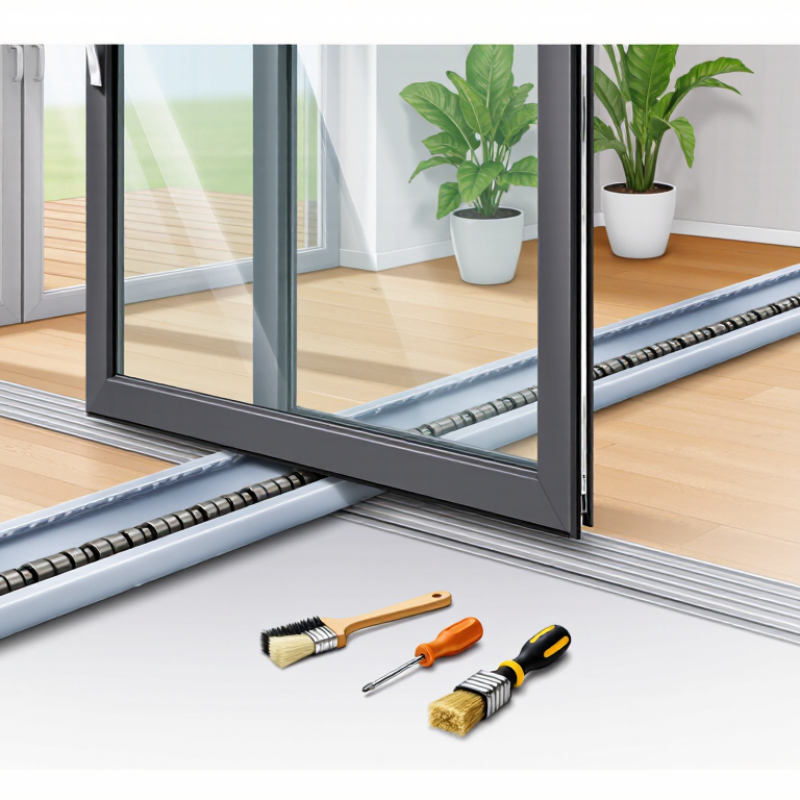
Inspect the Villa Door, Track, and Rollers
How to Make a Heavy Villa Door Slide Smoothly?
Inspect the Villa Door, Track, and Rollers
Before adjusting a heavy sliding door, inspect it while it is closed and again as it moves. Look for an uneven gap around the frame, rubbing marks on the jamb, or a panel that drops at one corner. These clues can point to worn rollers, a loose fixing, or a track that is no longer level. Shine a flashlight along the track. Grit, dried leaves, and small stones can create surprising resistance. Clear debris with a soft brush and vacuum; avoid forcing the door over an obstruction. Small details matter.
Check the rollers for flat spots, rust, and wobble. If the door can be lifted safely, have another person support it while you inspect the lower edge; a heavy panel can cause injury if it slips. Rollers that turn unevenly or sit at different heights may need adjustment or replacement. Do not compensate for a damaged track by tightening the rollers excessively. That can increase friction and strain the frame. The U.S. Department of Energy’s Energy Saver guidance estimates that heat gain and loss through windows account for about 25–30% of residential heating and cooling energy use. A poorly aligned door can also leave gaps, so inspect the weather seals after checking movement. I sometimes miss the seal on the first pass. It is easy to overlook. If the track is bent or the panel feels unstable, stop and seek a qualified door technician rather than lifting it alone.
Prepare the Tools and Secure the Door
Before adjusting a heavy villa door, lay out the tools where you can reach them. You may need a screwdriver, hex keys, a small level, a flashlight, a soft brush, a vacuum, and a clean cloth. Check the fasteners before lifting anything; the wrong key can round a screw and slow the job. Keep fingers clear. Wear work gloves and eye protection, especially if the door has glass panels.
Secure the door before inspecting its rollers or track. Ask another adult to steady it, and use a support rated for the door’s weight. Engage suitable track stops so the panel cannot roll unexpectedly. Do not rely on a folded towel or a loose wedge; they can shift under load. A helper matters. Clear grit from the track with a brush or vacuum, then wipe it dry. Small stones can make a heavy door judder. Use only a lubricant suitable for the door hardware, following its care instructions; heavy oil may collect dust. It is easy to rush straight to lubrication, but a dirty track or loose fastener may be the real problem.
Clean the Track and Remove Obstructions
A heavy villa door often feels rough because grit, leaves, or dried mud collect in its track. Start with the door closed and supported; never put fingers beneath its edge. Vacuum the full channel, including the corners where dirt packs tightly. Then wipe it with a damp cloth and dry it well. Small stones matter. They can become hard stops beneath the rollers, causing scraping and uneven movement.
The Glass Association of North America’s Glazing Manual uses about 2.5 kilograms per square metre per millimetre of glass thickness as a weight estimate. A 10-millimetre glass panel is therefore roughly 25 kilograms per square metre, before adding its frame. That load makes a clean, unobstructed track especially important. Check the channel with a flashlight, and remove loose debris with a soft brush rather than a metal tool. Look for bent sections, loose screws, or compacted dirt that resists wiping. A clean track will not fix a damaged roller, though. I used to blame the rollers too quickly. Test the door gently after cleaning; if it still binds at the same spot, stop forcing it and have the track and rollers inspected.
How to Make a Heavy Villa Door Slide Smoothly
Clean the track and remove obstructions, then check whether the door moves with less effort.
Illustrative sample measurements of the force needed to start a heavy sliding door moving, recorded with a force gauge. Actual results vary by door, load, and track condition. Vacuum the track and remove debris before retesting; if the door still sticks, inspect the rollers and alignment.
Adjust the Rollers to Level and Align the Door
A heavy villa door may feel stubborn when its rollers are uneven, even if the track looks clean. Check the gap between the panel and frame along both sides. It should look consistent, not wedge-shaped. A small rub can be deceptive.
If the door design allows adjustment, locate the roller screws near the lower corners. Support the panel securely, then turn one screw a quarter-turn at a time. Raise the low corner to level the panel; adjust the opposite roller if the edge still leans. Slide the door after each change. Listen for scraping, and watch whether the meeting edges align without a hard shove. Do not force a heavy panel or loosen parts you cannot identify. One easy mistake is adjusting only the side that drags. The door may move, but its reveal can become uneven. Recheck the lock and weather seals, too.
Alignment is not just about a quieter glide. The U.S. Department of Energy’s Energy Saver guidance estimates that windows account for about 25–30% of residential heating and cooling energy use. That figure concerns windows, not roller adjustments, so it does not prove a door tune-up saves energy. Still, a level panel can help weather seals meet evenly. Check again after several full open-and-close cycles. Small imperfections can remain. If the panel keeps dropping, the rollers or track may need professional inspection.
Lubricate the Hardware and Test the Sliding Motion
A heavy villa door often feels rough because dust, grit, or dried lubricant has collected around its rollers. Close the door and clear the track with a soft brush or vacuum. Wipe away residue with a slightly damp cloth, then let the track dry. Check the door’s care instructions before applying lubricant. Use only a product suitable for its rollers or bearings; ordinary grease can trap grit. Apply a small amount to the specified moving parts, not across the walking surface. Less is usually better. I used to think more lubricant meant an easier glide. It can make a dusty track worse.
Test the motion slowly. Keep your hands on the handles and move the door a few inches at a time, watching for scraping or uneven gaps. Keep fingers clear of the track and rollers. It should travel without jerking or needing a hard shove. Stop if it catches, tilts, or rolls back unexpectedly. Then test again. A little resistance may come from a misaligned roller or a worn bearing, not a lack of lubricant. Don’t force a heavy panel or adjust loaded roller hardware alone. If cleaning and appropriate lubrication do not help, have a qualified door technician inspect the alignment and support hardware.
How to Make a Heavy Villa Door Slide Smoothly? - Lubricate the Hardware and Test the Sliding Motion
| Step |
What to Do |
Practical Guidance |
What to Check |
| 1. Inspect the door |
Look for loose handles, visible damage, displaced rollers, or a door that sits unevenly. |
Do not remove or adjust a heavy door by yourself. Follow the door’s installation and maintenance instructions. |
Stop if the door appears unstable, comes off its track, or has damaged hardware. |
| 2. Clean the track |
Remove grit, leaves, and other debris with a vacuum or soft brush; wipe the track with a damp cloth and dry it. |
Cleaning first prevents dirt from mixing with lubricant and forming a sticky residue. |
Check the full length of the track, including the ends and door threshold. |
| 3. Choose a suitable lubricant |
Use a lubricant specified for the door’s rollers or hardware, such as a compatible silicone- or PTFE-based product where permitted. |
Check the manufacturer’s instructions first. Some tracks should remain dry, and some roller bearings are sealed and should not be lubricated. |
Avoid heavy grease or excess oil that can collect dust or leave residue on the track. |
| 4. Apply sparingly |
Apply a small amount only to the hardware’s designated lubrication points, if the instructions allow it. |
Use a cloth or applicator to control the amount; keep lubricant away from glass, flooring, and walking surfaces. |
Wipe away visible excess before moving the door. |
| 5. Test the sliding motion |
Move the door slowly through its full travel several times, then open and close it at a normal pace. |
Keep hands clear of pinch points and do not force the door if it catches or binds. |
Listen for scraping or grinding and note any spots where movement becomes difficult. |
| 6. Recheck and get help if needed |
Inspect the track and hardware again after testing; arrange a professional inspection if the door still sticks or moves unevenly. |
Persistent resistance can indicate misalignment, worn rollers, a damaged track, or another mechanical issue. |
Do not compensate for a mechanical fault by applying more lubricant. |
Conclusion
To understand how to make a heavy villa door slide smoothly, begin by checking the door, track, and rollers for dirt, damage, loose fittings, or uneven movement. Gather suitable tools before starting, and secure the door so it cannot shift unexpectedly while you work. Carefully remove dust, debris, and other obstructions from the track, since even small particles can make a heavy door difficult to move.
Next, adjust the rollers gradually to level the door and align it with the track and frame. Make sure the door sits evenly and moves without scraping or catching. Apply an appropriate lubricant to the relevant moving hardware, using only a small amount and wiping away any excess. Finally, slide the door back and forth several times to test its movement, and recheck the alignment or roller settings if it still feels stiff or uneven.

 Med Door