Adjusting a self-closing door hinge can significantly enhance your daily experience. A properly functioning hinge ensures that doors close smoothly and securely. This not only boosts convenience but also improves safety and privacy. Understanding how to adjust a self-closing door hinge is essential for both homeowners and renters.
The process might seem straightforward, yet it's easy to overlook small details. You might find that the door slams or doesn’t close completely, which can be frustrating. Observing how the door behaves when you push or pull it provides insight into its alignment. Proper adjustments can prevent wear and tear over time.
Many people hesitate to make these adjustments for fear of damaging the door. However, with a bit of patience and focus, anyone can learn to make these changes. Ask yourself, is the hinge too tight or too loose? This reflective approach will assist in achieving that perfect function. Ultimately, investing time in understanding how to adjust a self-closing door hinge can lead to long-lasting benefits.
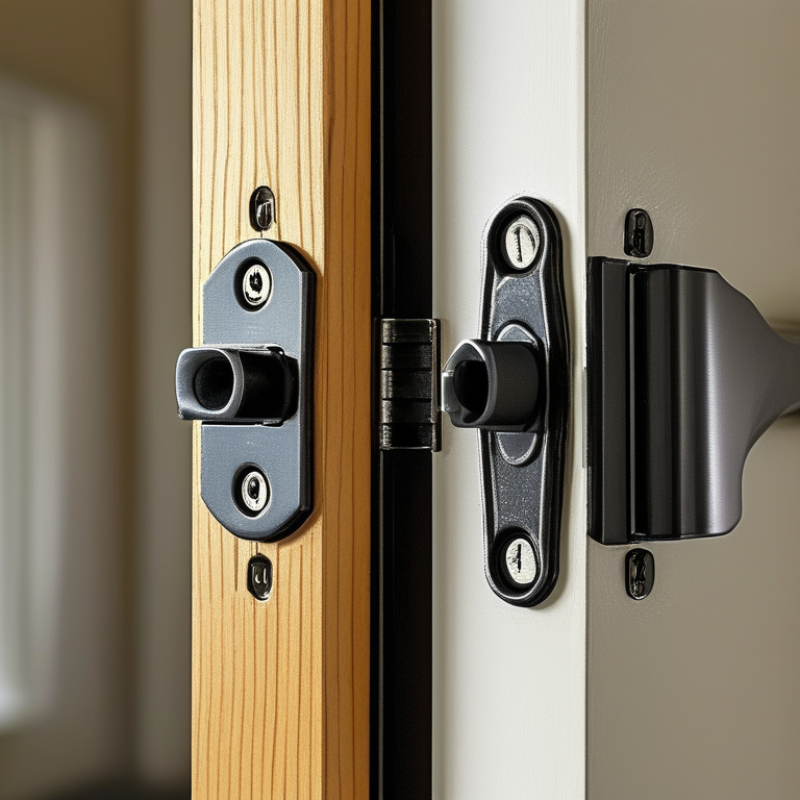
Understanding Self-Closing Door Hinges and Their Mechanism
Understanding self-closing door hinges is essential for effective door management. These hinges automatically close a door when it is released, ensuring safety and energy efficiency. They operate through a combination of springs and hydraulic systems. The spring provides the force to close the door, while the hydraulic action controls the speed of closure. This ensures the door closes softly rather than slamming shut.
Different types of self-closing hinges exist, mainly categorized into spring-loaded and hydraulic. Spring-loaded hinges are simpler and cheaper; however, they may wear out faster. Hydraulic hinges, while more expensive, allow for adjustable closing speeds. This can enhance comfort in busy environments. A common issue occurs if the door closes too quickly or too slowly. This can frustrate users or cause damage.
Regular inspection of the hinges is necessary. Look for signs of rust or wear. Sometimes, hinges may need lubrication to function properly. Adjusting the tension can also solve problems. An uneven closing can alert you to a problem. However, mistakes can happen, like over-tightening the hinge. Understanding these mechanisms leads to better management of daily door use.
Tools Required for Adjusting Self-Closing Door Hinges
Adjusting self-closing door hinges requires specific tools for an effective outcome. Basic tools include a screwdriver, level, tape measure, and pliers. A high-quality screwdriver is vital for loosening or tightening the hinge screws. Use a level to ensure door alignment. An accurate tape measure allows for precise adjustments, especially if door height is off. Pliers can assist with bending or adjusting hinge components, which can be a critical step in perfecting door closure.
Research indicates that poorly functioning self-closing hinges can lead to safety issues. A report from the International Door Association highlights that almost 30% of door-related accidents stem from malfunctioning hinges. Having the right tools at hand minimizes these risks. Proper adjustment ensures that a door closes adequately after use, maintaining safety and security. It’s essential to remember that even minor misalignments can lead to significant issues over time.
Maintaining and adjusting self-closing hinges isn’t always straightforward. Each door might require different adjustments based on weight and usage. Some homeowners may face challenges with alignment even after following guidelines. Periodic assessment and adjustment are key. It may take several attempts to achieve a perfect close, underscoring the importance of patience in this task. Recognizing when to seek professional help is also vital to prevent further complications.
Step-by-Step Guide to Adjusting Hinge Tension for Optimal Closure
Adjusting a self-closing door hinge can enhance its effectiveness. This ensures the door closes firmly and quietly. Over time, hinges may wear out or become misaligned, impacting function. Addressing tension is key. It allows the door to operate smoothly without slamming shut or remaining ajar.
Begin by inspecting the hinge for visible signs of damage or wear. A tight hinge may cause the door to bounce back, while a loose one may not close fully. Use a screwdriver to gently adjust the tension screw. Turn clockwise to increase tension. If the door closes too quickly, reduce the tension by turning counterclockwise. Remember, small adjustments can yield significant changes.
Don't hesitate to test the door after each adjustment. Close it gently and check for any resistance or noise. It may take several tries to achieve perfect balance. Sometimes, the door's weight and alignment affect closure. If issues persist, consider checking the door frame for any irregularities. Minor adjustments can lead to major improvements in the door's functionality.
Self Closing Door Hinge Adjustment Analysis
Common Issues and Solutions When Adjusting Self-Closing Door Hinges
Self-closing door hinges are convenient but can cause problems if not adjusted properly. One common issue is doors that slam shut or don’t close fully. Often, this occurs when the tension on the hinge is too high or too low. If your door is slamming, try lowering the tension. Turn the adjustment screw, usually found at the top of the hinge, clockwise to increase tension. This will help the door close more gently.
Another frequent problem is a door that drags on the floor. This can happen due to misalignment or settling over time. Check the door’s alignment with the frame. If it’s off, adjust the hinge screws. Tightening or loosening these screws can bring the door back into proper alignment. Remember, small adjustments can make a significant difference.
**Tips:** Make adjustments slowly. Make one change, then test the door. This prevents over-adjusting, which can lead to new issues. Keep an eye on the door's response as it may require multiple iterations to find the perfect balance. And don't overlook lubrication; it’s essential for smooth operation, helping maintain hinge function over time.
Tips for Maintaining Self-Closing Door Hinges for Longevity
Self-closing door hinges are practical. They help ensure doors close automatically. However, they can wear out or malfunction over time. Regular maintenance can extend their lifespan significantly.
To maintain these hinges, start by inspecting them regularly. Look for any signs of wear. Lubricate the hinges with a silicone-based spray to keep them operating smoothly. Wipe away excess lubricant to avoid attracting dirt. Checking the alignment of the door is also essential. Misalignment can cause issues, leading to squeaking or dragging.
Another vital aspect of maintenance is cleaning. Dust and debris can build up over time. Use a damp cloth to clean the hinge area. Make sure to check for rust, especially in outdoor settings. Rust can deteriorate both the hinge and the door frame. Avoid applying too much pressure when handling rusty hinges, as they might break easily. Regularly assess the hinges' performance to catch any issues early. This can prevent larger problems down the line.
How to Adjust a Self Closing Door Hinge for Perfect Function? - Tips for Maintaining Self-Closing Door Hinges for Longevity
| Adjustment Type |
Description |
Tools Needed |
Maintenance Tips |
| Height Adjustment |
Adjust the door height to ensure it doesn't drag on the floor. |
Screwdriver, Level |
Regularly check the alignment and tighten screws as needed. |
| Closing Speed Adjustment |
Adjust the spring tension to control how quickly the door closes. |
Adjustable Wrench |
Lubricate the hinge regularly to prevent wear. |
| Position Adjustment |
Modify the door's lateral position to avoid gaps or rubbing. |
Screwdriver, Allen Wrench |
Inspect hinges for damage and replace if necessary. |
| Latch Adjustment |
Ensure proper alignment of latch and strike plate for secure closure. |
Screwdriver, Tape Measure |
Clean the latch area to avoid debris build-up. |
Conclusion
This article, "How to Adjust a Self Closing Door Hinge for Perfect Function," provides a comprehensive overview of the mechanisms behind self-closing door hinges and the necessary tools for their adjustment. It guides readers step-by-step on how to adjust a self-closing door hinge for optimal tension, ensuring doors close smoothly and securely.
Additionally, the article identifies common issues that may arise during the adjustment process and offers practical solutions to resolve these problems. To enhance the longevity of self-closing door hinges, it concludes with maintenance tips that ensure they remain functional over time. Overall, this guide is a valuable resource for anyone looking to improve the performance of their self-closing doors.

 Med Door