Choosing the right doors for your bathroom can significantly impact both functionality and aesthetics. Experts often recommend aluminum doors over wood, particularly in wet environments. According to Mark Thompson, a notable architect with expertise in sustainable design, “Aluminum doors offer greater resistance to moisture and wear, making them ideal for bathrooms.”
So, why are aluminum doors better than wood for bathrooms? First, aluminum is non-porous, which means it won’t absorb water. Wood, on the other hand, can swell or warp when exposed to high humidity. This durability helps aluminum doors maintain their strength over time. They require less maintenance than their wooden counterparts, freeing up time for homeowners.
The visual appeal of aluminum doors is also noteworthy. They can feature sleek designs that enhance modern decor. However, some people find the price to be a drawback, as aluminum can be more expensive upfront. Still, when considering long-term costs, the investment often proves worthwhile. Exploring these pros and cons reveals the true potential of aluminum doors in bathroom spaces.
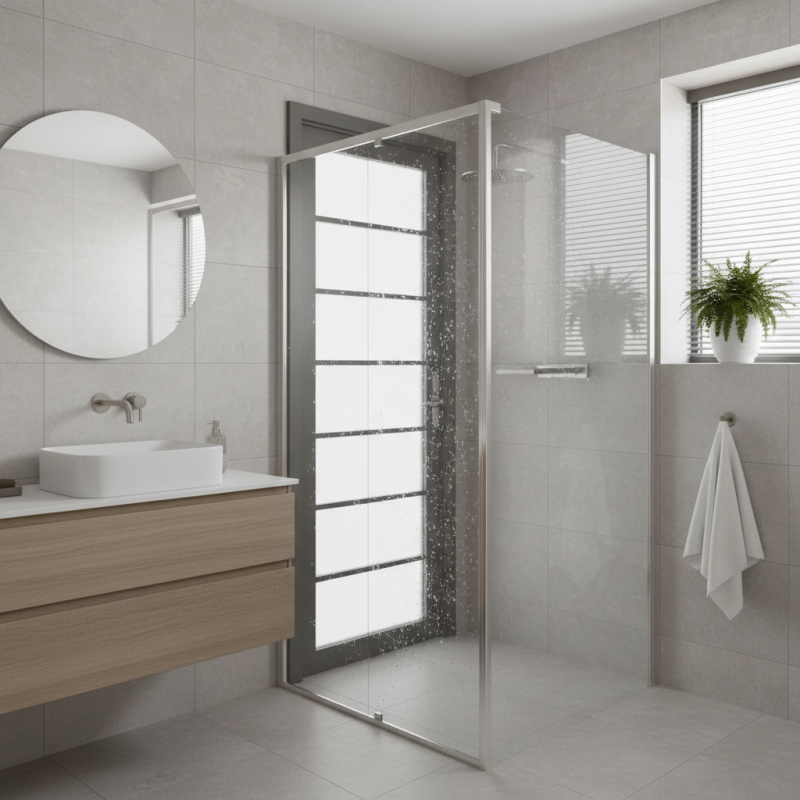
Benefits of Aluminum Doors for Bathrooms Compared to Wood
Aluminum doors offer a compelling alternative to wood for bathroom applications. One significant advantage is moisture resistance. Research indicates that 60% of bathroom issues stem from humidity. Aluminum's non-porous nature prevents warping and mold growth, which are common in wooden doors. This durability is essential, given that bathrooms frequently experience heavy moisture.
In terms of maintenance, aluminum requires significantly less upkeep compared to wood. A study found that homeowners spend an average of 2-3 hours per month maintaining wooden doors, while aluminum doors can be wiped clean in minutes. This efficiency can save time and energy, allowing homeowners to focus on other priorities.
Additionally, energy efficiency is a consideration. Aluminum doors, especially those with thermal breaks, can provide better insulation than traditional wooden doors. This can lead to reduced energy bills, as reported by a recent report, which noted energy savings of up to 25% over time. While aluminum may lack the warm aesthetic of wood, the practical benefits are hard to ignore, especially in a moisture-rich environment like a bathroom.
Durability and Maintenance: Aluminum vs Wood in Bathroom Environments
When selecting materials for bathroom doors, durability is a key consideration. Aluminum and wood offer distinct advantages and challenges. Aluminum is resistant to moisture, making it ideal for humid environments. Studies indicate that aluminum doors can last up to three times longer than wood in such spaces. While wood can warp and swell when exposed to water, trained professionals note that aluminum maintains its shape and function over time.
Maintenance is another factor to weigh. Aluminum requires minimal upkeep. A simple wipe down is often sufficient to keep it looking new. On the other hand, wood needs regular sealing and care to prevent decay. Industry insights suggest that wood doors can require maintenance every one to three years, depending on conditions.
However, not all aluminum doors are equal. Some may lack insulation properties, which can impact comfort. Further, aesthetic preferences might lead some homeowners to favor the warmth of wood, despite its maintenance needs. Ultimately, the choice between aluminum and wood hinges on individual priorities, such as durability versus aesthetics.
Aesthetic Considerations: Design Options for Aluminum Doors
Aluminum doors offer sleek designs that enhance any bathroom. The versatility of aluminum allows for various styles, from minimalistic to intricate designs. According to a report by the American Institute of Architects, 65% of architects favor metal materials in modern interiors. This statistic highlights the growing trend towards aluminum over traditional wood options.
Choosing aluminum can bring unique aesthetic benefits. With options for custom finishes, homeowners can enjoy a wide range of colors and textures. Frosted or patterned glass inserts add elegance while ensuring privacy. Additionally, aluminum's resistance to moisture makes it a practical choice for humid bathroom environments.
Tip: Consider a matte finish for a contemporary look. It can blend well with tiles and fixtures. This subtle texture also hides fingerprints better than glossy finishes.
While aluminum provides many benefits, some may find it lacks the warmth of wood. It's essential to assess your bathroom's overall aesthetic before making a choice. Mixing materials can also achieve a balanced look, combining the modernity of aluminum with natural wood accents.
2026 How to Choose Aluminum Doors Over Wood for Bathrooms? - Aesthetic Considerations: Design Options for Aluminum Doors
| Aspect |
Aluminum Doors |
Wood Doors |
| Weight |
Lightweight and easy to handle |
Heavier and may require more support |
| Durability |
Resistant to moisture and rust |
Can warp or rot over time |
| Maintenance |
Low maintenance; easy to clean |
Requires regular sealing and polishing |
| Aesthetic Style |
Modern and sleek finish |
Classic and warm appearance |
| Cost |
Generally lower upfront cost |
Typically higher upfront cost |
Cost Analysis: Long-term Investment in Aluminum vs Wood Doors
When considering bathroom doors, aluminum often stands out against wood. While wood may have a classic appeal, long-term costs reveal a different story. Aluminum doors tend to have a higher initial price but offer significant savings over time. They resist moisture well, preventing issues like rotting or warping that wood doors frequently encounter.
Maintenance costs for wood doors can accumulate quickly. Painting, sealing, and replacing rotting panels can burden homeowners both financially and physically. In contrast, aluminum doors require minimal upkeep. A simple wipe-down keeps them looking new. This is particularly valuable in humid environments like bathrooms. They remain sturdy and functional, ensuring longevity without extensive investments.
Homeowners might worry about the aesthetics of aluminum. Yet, modern designs offer sleek looks that can match any decor. It’s essential to weigh these considerations seriously. Investing in aluminum doors is not just a cost decision but a lifestyle choice. The right door can enhance both the bathroom’s look and functionality for years to come. The choice of material impacts how a space feels and functions daily.
Weather Resistance: How Aluminum Stands Against Humidity and Moisture
When choosing doors for bathrooms, humidity and moisture resistance is critical. Aluminum doors excel in this area. Unlike wood, which can warp or swell, aluminum maintains its shape. A study by the National Association of Home Builders shows that wood doors can lose structural integrity in high moisture environments. This makes aluminum a reliable choice for bathrooms.
Aluminum’s non-porous surface repels water effectively. According to the American Architectural Manufacturers Association, aluminum doors resist corrosion from humidity. This resistance enhances longevity and reduces maintenance needs over time. Homeowners appreciate these benefits as they lead to lower repair costs and less frequent replacements.
While aluminum doors offer excellent performance, they are not perfect. Some users note that if exposed to harsh chemicals, the finish can dull. It's essential to clean them with suitable materials. Balancing the pros and cons is crucial. Choosing aluminum for a humid environment also involves considering style and aesthetics. Despite some drawbacks, aluminum doors are an attractive and practical option for bathrooms.
Weather Resistance: Aluminum vs. Wood Doors in Bathrooms
Conclusion
When considering why are aluminum doors better than wood for bathrooms, several factors come into play. Aluminum doors offer superior durability and require significantly less maintenance than wood, especially in humid bathroom environments where wood can warp or rot over time. This durability makes aluminum a practical choice for homeowners looking for long-lasting solutions.
Aesthetic considerations also favor aluminum, as it provides a modern and sleek design with various finish options to suit any bathroom decor. Furthermore, in terms of long-term investment, aluminum doors tend to outperform wood due to their resistance to moisture and humidity, ensuring they maintain their appearance and function over the years. Ultimately, choosing aluminum doors over wood translates to a combination of enhanced durability, low maintenance, stylish design, and cost-effectiveness.

 Med Door