Choosing the right interior door colors can significantly impact the overall aesthetics of your space. When considering how to coordinate interior door colors with flooring, it is essential to create a cohesive look that enhances your home’s style. The harmony between doors and floors can elevate the visual appeal of any room, making it feel more inviting.
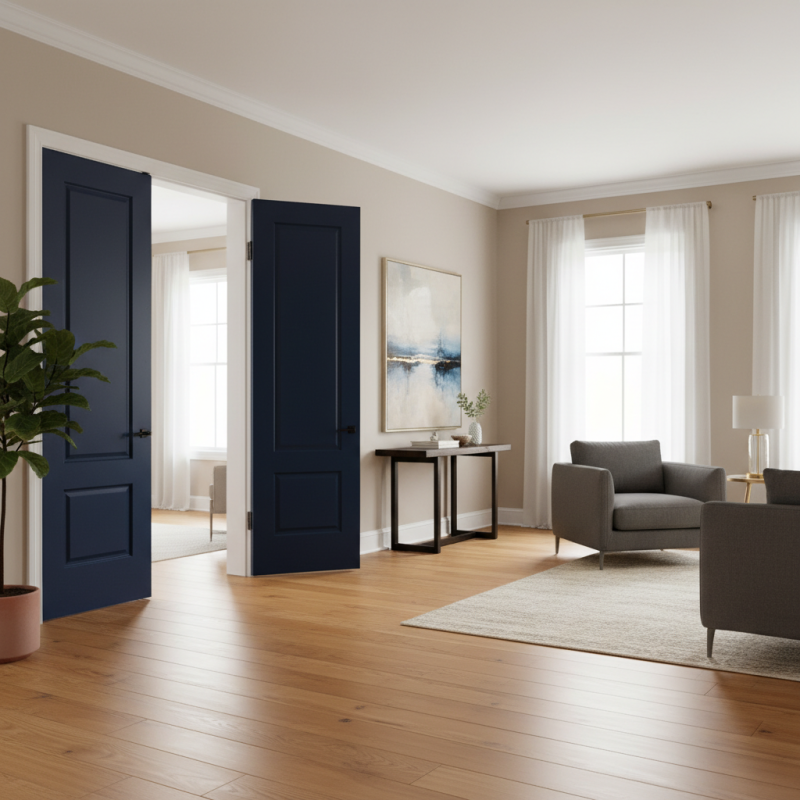
Imagine a warm oak floor paired with deep navy doors. The contrast can be striking, but it requires careful thought. Neutral tones may offer versatility, while bold colors can add character. Yet, you must balance these choices based on the existing decor and light.
Keep in mind that the texture and finish of both elements matter. A matte door beside glossy flooring can feel disjointed. Reflect on the atmosphere you want to create. Each combination can evoke different feelings. Thus, understanding how to coordinate interior door colors with flooring is crucial for a successful design outcome. This journey demands both creativity and thoughtful consideration to ensure it feels right for you.
Choosing the right door colors in relation to your flooring style is essential for harmony in your interior. Different door colors can create contrasting or complementary effects with various flooring materials. For instance, a dark wooden door can beautifully enhance light hardwood flooring. On the other hand, a bold-colored door may clash with busy patterned tiles.
When selecting door colors, consider the overall theme of your home. If you aim for a cohesive look, aim for colors that resonate with the hues in your flooring. Neutral colors often work well, while brighter shades can stand out if used thoughtfully. Think about how these colors will set the mood of each room.
Tips:
Choose colors that evoke desired emotions. Dark doors can create a warm, inviting feel. Light colors can make spaces feel airy. Balance is key; too many contrasting colors might disrupt visual flow. Sometimes, trying a color can lead to unexpected results. Test samples before committing to a shade for long-term satisfaction.
Choosing the right color palette for doors and flooring can enhance your interior design. It's essential to consider creating a cohesive look. Doors and flooring are major design elements. Their colors can complement or clash, affecting the overall feel of your space.
When selecting colors, think about the mood you want to create. Soft, muted tones can make a room feel calm. Bold, contrasting colors can add energy. For instance, a dark wood floor pairs nicely with light-colored doors. This contrast highlights the door and captures attention. You might consider testing different combinations in small samples on your walls or floors. This gives a better idea of how the colors interact.
Using a consistent color family can make decisions easier. Neutrals often work well together. Yet, remember that too much neutrality can feel bland. A pop of color in doors can break the monotony. It’s important to reflect on your personal style. The goal should be a harmonious balance. When in doubt, always opt for shades that make you feel comfortable and happy.
When it comes to choosing door colors that complement your flooring, understanding popular options is crucial. For instance, white doors are often paired with dark wood floors. This contrast not only highlights the door but also adds elegance. According to a recent survey, 72% of homeowners prefer this classic combination for its timeless appeal.
Another popular choice is gray doors, which can work well with both light and dark floors. Gray hues create a subtle yet modern aesthetic. A report from the National Association of Realtors reveals that homes featuring gray accents can influence buyer interest positively by 20%. This color adaptability makes it a safe bet for many interiors.
Tips: Consider the natural light in your space. Bright rooms can handle bolder door colors. If light is limited, softer tones might enhance the ambiance. Also, reflecting on your flooring texture is important. Matte finishes often pair best with matte-colored doors to maintain harmony.
Not all door and flooring combinations will feel cohesive. A mismatched choice can disrupt the flow of your space. Before deciding, visualize how the colors interact throughout the day. Remember, the right balance enhances your home's character.
When selecting interior door colors and flooring materials, consider the texture and tone. Doors often serve as focal points. A bold color can contrast well with subtle flooring. For example, a deep navy door against light wood floors creates visual interest. The interplay of colors affects the perception of space.
Think about the materials used. Glossy finishes reflect light and can make rooms feel larger. Textured doors, like craftsman styles, add depth. Pairing them with smooth, polished floors creates a dynamic look. However, harmony is key. Mismatched materials may create visual chaos.
Choosing a cohesive palette is challenging. Sometimes, a door may clash with the flooring. Trust your instincts, but also seek balance. Experiment with samples in your space. Observe how light changes the colors. A little imperfection adds character. Embrace what feels right for your home.
| Flooring Type | Door Color | Material Consideration | Texture Consideration |
|---|---|---|---|
| Hardwood | White | Natural Grain | Smooth Finish |
| Laminate | Dark Oak | Durable Surface | Textured |
| Carpet | Gray | Soft Material | Plush |
| Vinyl | Cream | Water-Resistant | Smooth |
| Tile | Black | Ceramic | Glossy |
Color coordination between interior doors and flooring is crucial for a harmonious space. Testing your color choices can drastically affect your room's ambiance. A recent survey indicated that 62% of homeowners feel unsure about the color combinations in their interiors. This uncertainty can lead to choices that may clash and disrupt the overall aesthetic.
When selecting colors, start by gathering samples. Don't rely solely on computer screens or small paint chips. Instead, observe larger swatches in your space. Light plays a vital role in how colors appear. For optimal results, consider time of day variations. Colors can shift with changing light, which can reveal imperfections in your original choice.
Here are some practical tips for effective color testing:
: White doors create a striking contrast and add elegance to dark wood floors.
Yes, gray doors work well with both light and dark flooring, offering a modern aesthetic.
Bright rooms can accommodate bolder colors, while limited light may benefit from softer tones.
Matte finishes generally pair best with matte-colored doors for cohesive design.
Gather samples and observe them together in your space. Look at them under different lighting.
Mismatched colors can disrupt the flow and ambiance of your space, making it feel less harmonious.
Colors can change with varying light, revealing unexpected clashes or enhancing their appeal.
No, larger swatches provide a better understanding of how colors interact in your space.
Seeking opinions from friends or family can reveal overlooked issues or highlight successful pairings.
Trusting your instincts is important, but be open to reevaluating based on feedback and observations.
When considering how to coordinate interior door colors with flooring, it's essential to understand the relationship between these elements. Different door colors can enhance or clash with various flooring styles, creating a unified or disparate aesthetic. Start by choosing a cohesive color palette that complements both your doors and flooring. Popular door colors, such as whites, grays, and rich woods, often have specific compatibilities with flooring materials ranging from hardwood to tiles.
Additionally, the material and texture of both doors and flooring play a significant role in the overall look. For instance, a smooth, modern door can pair wonderfully with sleek tile, while a rustic wooden door might harmonize better with textured, earthy flooring. Practical tips for testing color coordination include using paint swatches and flooring samples in your space, allowing you to visualize the final result before making permanent decisions. This thoughtful approach ensures a stylish and cohesive interior design.

Med Door