When considering home safety in hurricane-prone areas, one question looms large: what does hurricane-rated glass actually do? Expert David Lawson, a leading authority in storm-resistant building materials, notes, “Hurricane-rated glass offers crucial protection by preventing wind and debris infiltration.” This emphasizes the importance of understanding its role in safeguarding property and lives.
Hurricane-rated glass is engineered to withstand extreme weather conditions. It is designed to resist high winds and flying debris during a storm. This specialized glass significantly reduces the risk of breakage, which often leads to devastating damage. Proper installation is vital, as even the best glass will fail if not fitted correctly. It's essential to recognize that this glass is not entirely foolproof.
Many homeowners underestimate the importance of supplementary features, like reinforced framing. While hurricane-rated glass is a powerful tool for protection, it works best as part of a comprehensive approach to fortify homes against hurricanes. Awareness of its limitations can lead to better preparedness and a more resilient response to storms.
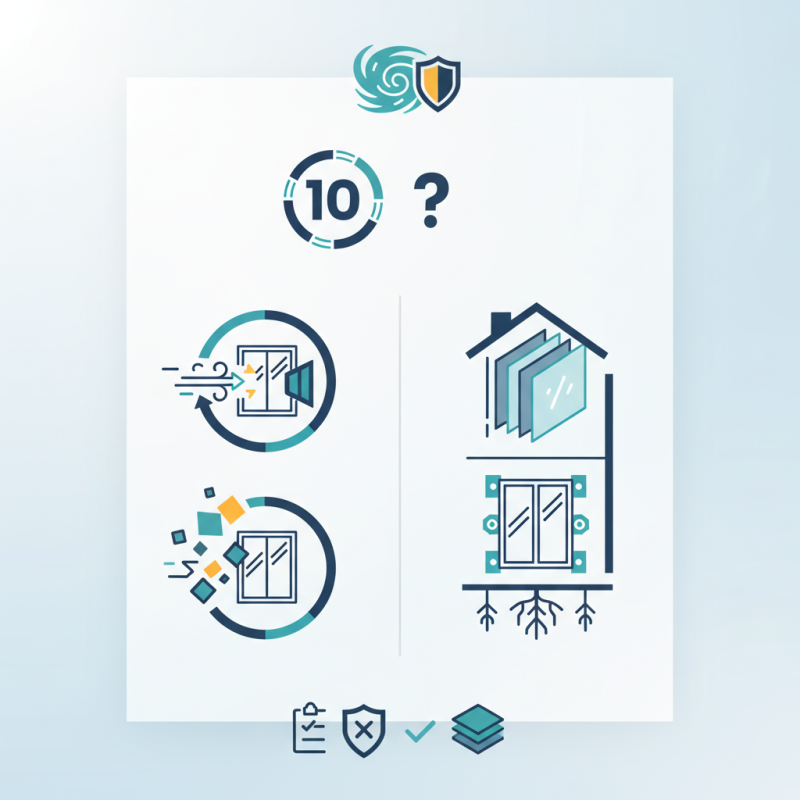
Hurricane rated glass is specifically designed to withstand extreme weather conditions. This type of glass meets stringent standards set by the American Society for Testing and Materials (ASTM). According to a report by FEMA, using hurricane rated glass can reduce damage during storms by up to 90%. Such glass is often tested against debris impact and high wind pressure.
The thickness of hurricane rated glass typically ranges from 5/16 to 1/2 inches. This substantial thickness allows it to resist shattering from flying debris during hurricanes. Additionally, the glass is usually laminated, meaning it has a layer of plastic sandwiched between two glass panes. This design helps keep the glass intact and in place, even when broken.
Despite its benefits, hurricane rated glass is not infallible. It can still sustain damage from intense storms. In some cases, installation errors may compromise its effectiveness. Homeowners must ensure they have certified professionals perform the installation. It’s important to recognize that while this glass offers superior protection, it’s not a complete safeguard against all storm-related damages.
Hurricane-rated glass is designed to endure extreme weather conditions. Understanding its standards and ratings is crucial for homeowners in hurricane-prone areas. Various testing protocols assess the glass's resistance to impacts and wind pressure.
The American Society for Testing and Materials (ASTM) provides guidelines for evaluating hurricane glass. Products are rated based on their ability to withstand debris impacts and wind speeds. The highest-rated glass can resist winds over 150 mph. This rating means better safety during a storm.
Homeowners should consider local building codes for hurricane preparedness. Not all products meet the same standards. Some glass may pass impact tests but fail under wind pressure. This inconsistency can lead to a false sense of security. Evaluating the ratings and certifications is essential when selecting the right glass for protection.
Hurricane rated glass offers significant advantages for home protection. It is engineered to withstand extreme winds and flying debris. This type of glass can resist impacts from objects that may be propelled during storms. Homeowners can feel more secure knowing that their windows can help prevent water intrusion and damage from storm conditions.
Moreover, hurricane rated glass provides more than just safety. It enhances energy efficiency and reduces noise. When installed properly, it keeps homes cooler during high temperatures. Yet, it’s important to consider installation requirements and costs. Some may find that initial investments are higher than standard glass options. Still, the long-term benefits often outweigh these initial challenges.
Many homeowners overlook maintenance needs for this type of glass. Regular checks for cracks or seals can enhance its protective capabilities. The material itself is durable, but proper care is essential. Neglecting these aspects can lead to decreased performance. Balancing safety, efficiency, and upkeep is crucial for maximizing the benefits of hurricane rated glass.
Hurricane-rated glass is vital for protecting homes in storm-prone areas. This type of glass undergoes rigorous testing to ensure it meets the standards for high winds and flying debris. A report by the Florida Building Commission states that this glass can withstand wind speeds of up to 200 mph. Such resilience offers homeowners peace of mind during hurricane season.
The manufacturing process includes multiple layers of laminated glass, providing enhanced strength and impact resistance. When tested, hurricane glass can absorb the energy of projectiles, such as branches and hail, without breaking. According to the National Hurricane Center, wind-borne debris can be lethal during storms, making this additional protection critical.
However, homeowners often overlook the importance of proper installation. Improper sealing may lead to vulnerabilities, undermining the glass's benefits.
Despite its advantages, hurricane-rated glass isn’t infallible. Extreme conditions can compromise its integrity. Regular maintenance is essential to identify any defects early. For those in hurricane zones, investing in certified glass structures is a step toward safety. Yet, balancing cost and benefits remains a question for many homeowners. Being informed can aid in making the right choice for storm preparedness.
Hurricane rated glass is crucial for protecting homes in storm-prone regions. Its installation is a vital step in ensuring maximum safety. Proper installation ensures that the glass can withstand high winds, debris impact, and pressure changes during a hurricane. According to the Florida Building Code, all hurricane rated glass installations must undergo rigorous testing. This ensures compliance with specific standards to enhance safety.
Maintenance is equally essential. Regular inspections can help identify issues early. Check for cracks, sealant deterioration, or water leaks. Addressing these issues promptly can extend the lifespan of your hurricane rated glass. Experts recommend having a professional assessment every three to five years to ensure ongoing compliance with safety standards.
Tip: After any major storm, inspect your glass for new damage. Early detection can prevent costly repairs later.
With hurricane rated glass, not all installations are the same. It’s essential to choose a qualified installer familiar with local regulations. Researching local climate challenges is beneficial. An ill-suited installation may not provide the anticipated protection. Always ask about compliance and warranty conditions before proceeding.
| Fact Number | Description |
|---|---|
| 1 | Hurricane rated glass can withstand high wind pressures, up to 110 mph or more. |
| 2 | It is designed to resist impact from debris, preventing shattering during storms. |
| 3 | The glass typically consists of multiple layers, including a laminate that holds fragments together. |
| 4 | It contributes to energy efficiency by reducing heat transfer, which can lower energy bills. |
| 5 | Hurricane rated glass can improve security against break-ins due to its strength. |
| 6 | It can provide UV protection, reducing fading of interior furnishings. |
| 7 | Proper installation is crucial for optimal performance; it should meet local building codes. |
| 8 | Regular maintenance includes checking seals and managing any visible damage. |
| 9 | It comes in various styles and finishes, allowing for aesthetic flexibility in homes. |
| 10 | Investing in hurricane rated glass can increase the value of a property substantially. |
: Hurricane rated glass is designed to withstand extreme weather and meet specific safety standards.
The thickness typically ranges from 5/16 to 1/2 inches, providing durability against debris impacts.
No, it can still get damaged in intense storms, and installation mistakes can reduce its effectiveness.
It helps keep homes cooler in hot weather, enhancing energy efficiency when installed correctly.
Certified professionals should install it to ensure maximum protection and performance during storms.
Yes, regular checks for cracks or seals are essential for maintaining its protective capabilities.
Initially, it may be more costly, but long-term benefits often outweigh these initial expenses.
Yes, it can help in minimizing noise, making homes quieter during storms or busy times.
Many forget the importance of maintenance, which is crucial for optimal performance and safety.
No, while it offers superior protection, it's not a complete safeguard against all storm-related damages.
Hurricane-rated glass is specifically designed to withstand extreme weather conditions, particularly during hurricanes. So, what does hurricane-rated glass actually do? It complies with rigorous standards and ratings set to ensure its durability against high winds and impact from flying debris. This type of glass significantly enhances home protection by preventing breakage and damage, thereby safeguarding not only the occupants but also the interior of the home.
The benefits of hurricane-rated glass extend beyond safety; it also provides insulation and noise reduction. Proper installation is crucial to maximizing its protective features, and regular maintenance ensures long-term performance. In summary, investing in hurricane-rated glass is a proactive approach to fortifying homes in hurricane-prone areas, offering peace of mind during severe weather events.

Med Door