Top 10 Ways to Tell if Your Aluminum Door is Energy Efficient?

Time:2026-06-19 Author:Isabella
0%

When considering energy efficiency, many homeowners overlook their aluminum doors. Understanding how to tell if an aluminum door is energy efficient can save you money and enhance comfort in your home. John Smith, a leading expert in building energy performance, emphasizes, "A well-insulated aluminum door can significantly reduce energy costs."

Energy-efficient doors are not just about materials; they feature specific design elements. For instance, look for insulated frames or low-emissivity (Low-E) coatings. These features help minimize heat transfer. Regularly check seals and weatherstripping, as worn components can compromise efficiency.

Choosing the right door impacts not only energy bills but also environmental sustainability. Many homes face challenges in maintaining a comfortable interior climate. An aluminum door that is not energy efficient might lead to discomfort and increased costs. It's crucial to evaluate doors carefully, reflecting on elements like insulation and construction quality.
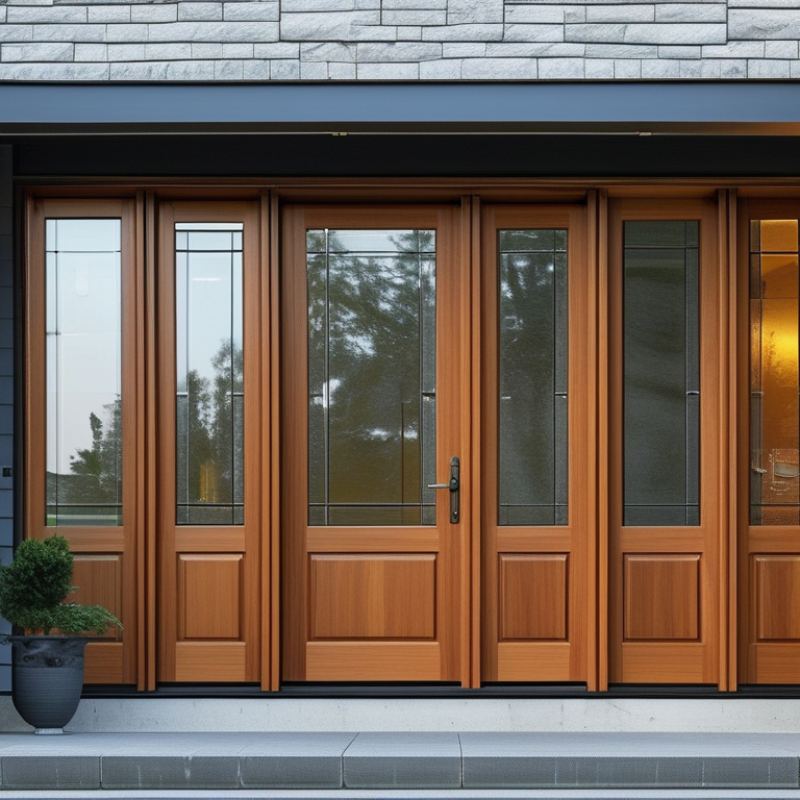
Top 10 Ways to Tell if Your Aluminum Door is Energy Efficient?

How to Identify Energy Efficiency in Aluminum Doors

When assessing the energy efficiency of your aluminum door, look for specific features and characteristics. High-quality aluminum doors should have thermal breaks. This component reduces heat transfer, improving temperature regulation in your home. Additionally, check for insulated glazing. Double or triple-pane glass significantly enhances energy performance by minimizing heat loss.

Another key factor is the door's overall design. A well-designed door will have a tight seal when closed, reducing drafts. Inspecting the weather stripping around the door can reveal its energy efficiency. Sometimes, aging seals may need replacement, impacting your door's insulating properties. You might notice visible gaps if the door is not aligned properly.

The presence of Energy Star ratings is worth evaluating. These indicate compliance with energy efficiency standards. However, it's crucial to remember that even doors with these ratings may still have varying performance levels. Always pay attention to the specific details of each door, since minor differences can lead to significant energy savings. Regular maintenance checks can also help identify potential issues, which may enhance your door’s performance over time.

Energy Efficiency Metrics for Aluminum Doors

Key Features of Energy-Efficient Aluminum Door Design

When considering the energy efficiency of aluminum doors, certain features stand out. A well-designed aluminum door should incorporate thermal breaks. These breaks reduce heat transfer, keeping your home warm in winter and cool in summer. Look for doors with multiple chambers, as they create layers of air that add insulation.

Another essential feature is the material's quality. High-performance aluminum should have a durable finish that resists oxidation. A door with a powder-coated finish can significantly enhance its longevity and energy efficiency. Additionally, weatherstripping plays a vital role. Quality seals prevent drafts, which can severely impact energy usage.

You may need to assess the door's glazing options. Double or triple glazing can trap air and improve insulation substantially. However, not all doors come with high-performance glazing. It’s crucial to evaluate the Energy Star ratings when choosing. Some designs may look appealing but lack the energy-efficient features needed. Hence, it's beneficial to investigate and reflect on various aspects before making a decision.

Important Ratings and Certifications for Energy Efficiency

When assessing the energy efficiency of aluminum doors, certain ratings and certifications play a crucial role. Look for the Energy Star label, which signifies that a product meets energy efficiency guidelines set by the U.S. Environmental Protection Agency. This simple label can guide homeowners in choosing better options for insulation and overall energy savings.

Another important rating to consider is the National Fenestration Rating Council (NFRC) label. It provides detailed information about a door's performance, including U-factor, solar heat gain coefficient, and visible transmittance. These metrics ensure that your door offers optimal energy efficiency.

Tips: Always check for double glazing or low-emissivity (Low-E) coatings on glass. These elements can significantly reduce heat loss and improve comfort indoors. Remember, not every aluminum door will meet high standards. Research thoroughly before making a purchase. Additionally, ensure proper installation to minimize air leaks and maximize efficiency. Small mistakes during installation can lead to big energy losses.

Common Insulation Techniques for Aluminum Doors

When considering insulation techniques for aluminum doors, a few methods stand out. One popular option is thermal breaks. These breaks create a barrier between the inside and outside of the door. They help reduce heat transfer, making your home more energy-efficient. Many people underestimate their importance. Without adequate thermal breaks, you might notice drafts around your door.

Another effective technique is the use of insulated core materials. These cores help maintain consistent temperatures inside your home. Common materials include polyurethane and polystyrene. Each provides different levels of insulation. It's essential to choose the right material based on your climate and needs.

Weatherstripping is often overlooked but is crucial. High-quality weatherstripping can seal gaps effectively. This small detail can prevent energy loss significantly. While it might seem simple, many homes have ineffective or worn-out weatherstripping. Regular checks can ensure that your door remains energy-efficient over time. Keeping these elements in mind can lead to better energy performance for your aluminum doors.

Signs of Air Leakage and Temperature Control in Aluminum Doors

When assessing the energy efficiency of your aluminum door, signs of air leakage are crucial. Check for drafts around the edges. Place your hand near the door to feel any cool air seeping in. This can indicate that the seal is compromised, allowing energy loss. Examine the door frame closely for gaps. Even small openings can drastically reduce insulation efficiency.

Temperature control is another important factor. Feel the surface temperature of the door itself. If it feels too cold in winter or excessively hot in summer, it may not be insulating properly. Look for condensation on the door's interior. This can signal that the door struggles to maintain indoor temperatures. Inspect the weatherstripping for wear; outdated or damaged strips can lead to significant air leakage.

It's also essential to monitor your energy bills. If you've noticed an increase, it’s time to investigate. An inefficient door can elevate heating and cooling expenses. Reflection on these signs will help you determine whether a replacement or repair is necessary. Ensure your door meets modern energy standards, as this can significantly improve your home's comfort and energy efficiency.

FAQS

: What are thermal breaks in aluminum doors?

: Thermal breaks reduce heat transfer, keeping your home warm in winter and cool in summer.

Why are multiple chambers important in aluminum doors?

They create layers of air that provide better insulation and energy efficiency.

How does the quality of aluminum affect energy efficiency?

High-quality aluminum with a durable finish resists oxidation and enhances lifespan.

What role does weatherstripping play in energy efficiency?

Quality weatherstripping prevents drafts, reducing energy loss significantly.

What glazing options should I consider for aluminum doors?

Double or triple glazing can improve insulation but check if doors have these options.

How can I check for air leakage in my aluminum door?

Look for drafts or gaps around the edges, indicating compromised seals.

What are the signs that my aluminum door is not insulating properly?

Check if the door feels too cold or hot and if there’s condensation inside.

How can I monitor the effectiveness of my aluminum door?

Track your energy bills; increases may signal energy inefficiency.

Why is it necessary to assess modern energy standards for doors?

Meeting current standards improves comfort and energy efficiency in your home.

Conclusion

When considering how to tell if an aluminum door is energy efficient, several key factors should be evaluated. First, examine the design features like thermal breaks, which prevent heat transfer, and ensure that the door has quality insulation materials. Energy-efficient aluminum doors often come with specific ratings and certifications, such as ENERGY STAR, that indicate their performance and contribute to long-term energy savings.

Additionally, common insulation techniques, like the use of multi-chamber profiles, can significantly enhance energy efficiency. It is also crucial to inspect for signs of air leakage, such as drafts or inconsistent temperatures in the home environment, as these can indicate that the door is not performing optimally. By considering these aspects, homeowners can make informed decisions about the energy efficiency of their aluminum doors.

Isabella

Isabella

Isabella is a dedicated marketing professional with a sharp focus on driving brand growth and engagement through strategic content creation. With an extensive background in digital marketing, she combines her passion for storytelling with her keen understanding of industry trends to deliver......