When considering building materials, understanding what is the difference between thermal break and non-thermal break is crucial. These two terms often arise in discussions about energy efficiency and insulation. A thermal break is an insulating barrier that reduces heat transfer between two conductive materials. In contrast, a non-thermal break allows for more heat exchange, potentially leading to energy loss.
In practical applications, the choice between these two can affect overall energy consumption in a building. A thermal break can enhance insulation, keeping interiors warm in winter and cool in summer. Non-thermal breaks may save costs upfront, but they can lead to higher energy bills over time. It is essential to weigh these factors carefully. After all, understanding these differences can lead to informed choices that impact both comfort and energy savings.
However, it’s important to note that not all situations will clearly favor one choice over the other. Some projects may benefit from a mixed approach. This complexity highlights the need for expertise in selecting the right solutions for specific needs. The distinctions between thermal break and non-thermal break are nuanced, requiring careful consideration and reflection.
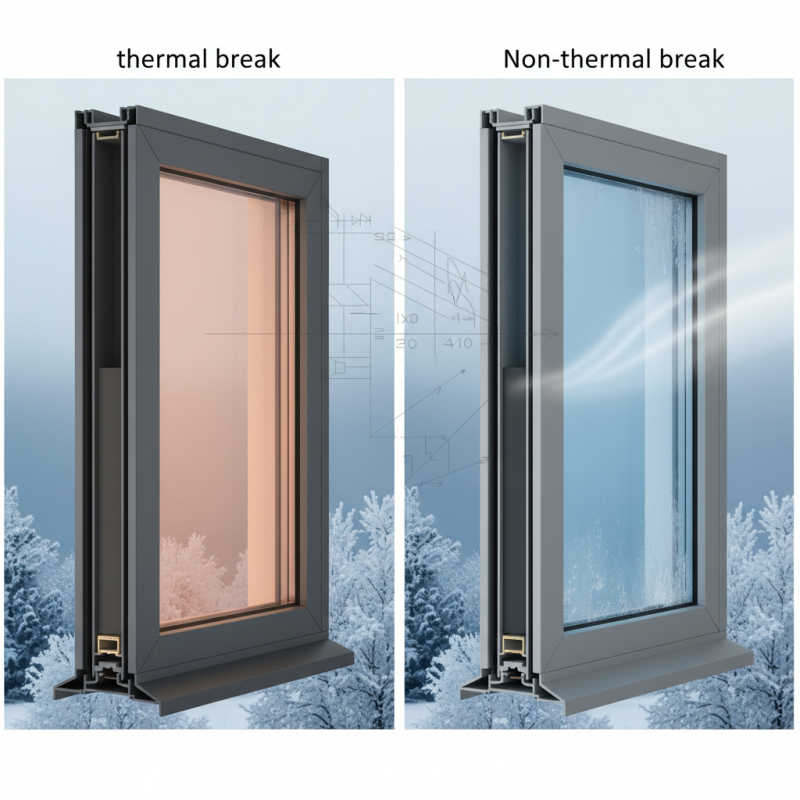
Key Definition of Thermal Break and Non Thermal Break Materials
Thermal break and non-thermal break materials serve essential roles in construction. A thermal break is a material that prevents the transfer of heat and cold. It creates an insulating barrier in windows and doors. This is crucial for energy efficiency. On the other hand, non-thermal break materials allow heat transfer. They are often less expensive but may lead to higher energy costs over time.
When choosing materials, consider the environmental impact. Thermal break options can reduce heating and cooling demands. This not only aids in energy savings but also benefits the planet. Familiarize yourself with local regulations regarding insulation standards. Different regions may have different requirements that impact material selection.
Tips for selecting materials include looking at R-values and thermal conductivity. These metrics will help evaluate performance. Remember, investing in better insulation can lead to significant long-term savings. Don't overlook potential maintenance issues that could arise with non-thermal break materials. Evaluate the total lifecycle costs to make an informed choice. Materials have strengths and weaknesses, so weigh these carefully before deciding.
Comparative Analysis of Thermal Conductivity in Both Break Types
When comparing thermal break and non-thermal break materials, thermal conductivity plays a crucial role. Thermal break systems incorporate insulation materials between conductive elements. This insulation reduces heat transfer. In contrast, non-thermal break systems typically allow for better thermal conductivity. They can lead to increased energy loss in buildings.
The implications of thermal conductivity are significant. A thermal break can result in a more energy-efficient design. However, some buildings may not require such features. This can lead to over-engineering and unnecessary costs. Understanding the specific thermal needs of a project is essential. Misjudging these requirements can result in suboptimal choices.
Thermal breaks often provide better comfort levels. Yet, they may not suit every architectural style. In certain designs, aesthetic considerations might take precedence over thermal efficiency. This call for balance and careful evaluation of each project's unique demands. Addressing these discrepancies is a step toward achieving improved energy efficiency.
10 Key Differences Between Thermal Break and Non Thermal Break
| Aspect |
Thermal Break |
Non Thermal Break |
| Thermal Conductivity |
Low |
High |
| Insulation Efficiency |
High |
Moderate |
| Cost |
Higher |
Lower |
| Durability |
High |
Variable |
| Applications |
High-performance buildings |
Standard constructions |
| Energy Loss |
Minimal |
Considerable |
| Moisture Protection |
Effective |
Limited |
| Weight |
Moderate |
Light |
| Recyclability |
High |
Variable |
| Installation Complexity |
Moderate |
Easy |
Energy Efficiency Metrics: Thermal Break vs. Non Thermal Break Systems
Thermal break systems significantly enhance energy efficiency in buildings. They consist of a barrier, often made of insulating materials, that separates conductive materials. This barrier minimizes heat transfer between the interior and exterior. As a result, buildings maintain consistent temperatures, reducing reliance on heating and cooling systems.
Non-thermal break systems lack this insulating barrier. They allow for more heat loss and gain, which leads to higher energy consumption. This can be costly in regions with extreme temperatures. In uninsulated frames, condensation may occur, causing potential damage and discomfort inside. While non-thermal options can be less expensive initially, the long-term costs often outweigh the savings.
Energy efficiency metrics favor thermal break systems for their ability to reduce energy loss. Building codes increasingly reflect this shift, encouraging the use of effective thermal barriers. The initial investment in thermal break technology may raise questions of affordability. However, the benefits often translate into lower energy bills and enhanced comfort. Over time, energy savings can offset the upfront costs, allowing for a sustainable approach in architecture.
Cost Considerations: Initial Investment and Long-Term Savings
When considering thermal break versus non-thermal break materials, cost plays a vital role.
Initial investments differ significantly. Thermal break systems often have a higher upfront cost due to their advanced insulation features. They require specialized manufacturing processes. Conversely, non-thermal break options may seem cheaper initially, but they can lead to higher long-term energy expenses.
Long-term savings tend to favor thermal break assemblies. They enhance energy efficiency, reducing heating and cooling costs. Over time, the initial investment can be offset by lower utility bills. Additionally, they may contribute to a more comfortable indoor environment. On the other hand, non-thermal break solutions often lead to higher energy use, negating some of the savings associated with their lower initial costs.
It's essential to assess the overall financial impact. Analyze both short-term budgets and long-term expenses. A non-thermal break might save money upfront, but it might not be the most economical choice in the long run. Reflecting on these factors can guide better investment decisions, ensuring balanced expenditures over time.
Impact on Building Performance: Insulation and Condensation Control
When considering building performance, the impact of
thermal breaks versus non-thermal breaks is significant.
Thermal breaks create a barrier that reduces heat transfer. This helps maintain a stable indoor temperature and improves
energy efficiency. On the other hand, non-thermal breaks allow heat to pass more freely,
leading to potential energy loss.
Condensation control is another critical factor. Thermal breaks help to minimize
condensation risk. This is essential in preventing
mold growth and maintaining indoor air quality. Without a proper thermal break, interiors can suffer
from excessive moisture. Consequently, this can weaken structural elements over time.
Tips for improving insulation include sealing gaps around windows and
doors. Regularly check these areas for any signs of wear. Additionally, consider using
energy-efficient materials to bolster performance. Consulting with a professional can provide insights tailored to specific building needs.
It's vital to assess your building's unique circumstances to choose the right approach, as one size does not fit all.
FAQS
: A thermal break is a material that stops heat transfer. It creates an insulating barrier in doors and windows.
Non-thermal break materials allow heat transfer. They are often cheaper but can increase energy costs over time.
They improve energy efficiency by reducing heating and cooling demands. This benefits both the user and the environment.
Look at R-values and thermal conductivity. These metrics help evaluate performance.
Yes, potential maintenance issues can arise. Evaluate lifecycle costs to make informed decisions.
Yes, it significantly impacts energy efficiency. Good insulation can lead to lower energy loss.
Not all buildings need thermal breaks. Some may be over-engineered, leading to unnecessary costs.
Yes, thermal breaks can improve comfort. However, they may not fit every architectural style.
In some designs, looks may take priority over thermal efficiency. Balance is essential for each project.
Misjudging thermal needs can lead to poor choices. Always assess project requirements carefully.
Conclusion
In understanding "what is the difference between thermal break and non-thermal break," it is essential to define the two materials. Thermal breaks are specifically designed to reduce thermal conductivity between different materials, while non-thermal breaks allow for direct heat transfer. The comparative analysis of their thermal conductivity reveals that thermal breaks generally offer superior insulation, contributing to better energy efficiency metrics in buildings.
When weighing cost considerations, thermal break systems may involve higher initial investments, but they often result in significant long-term savings through reduced energy bills. Furthermore, the impact on overall building performance, particularly in areas of insulation and condensation control, highlights the advantages of thermal break systems in creating more comfortable and energy-efficient environments. Ultimately, understanding these differences can guide better decisions in construction and renovation projects.

 Med Door