Condensation on glass patio doors can be a common issue. It creates frustration for homeowners. Understanding how to prevent condensation on glass patio doors is essential for maintaining a comfortable living space.
In 2026, environmental factors may lead to increased humidity levels. These conditions can exacerbate condensation problems. Ignoring this issue can result in mold growth and property damage. Effective solutions exist, but many homeowners struggle to implement them correctly.
A blend of practical ideas and expert strategies can make a difference. Proper ventilation and insulation play critical roles. Additionally, using window treatments wisely can reduce moisture build-up. Finding the right approach requires reflection, as not all solutions work for every situation. Adjusting methods based on specific circumstances is key to success.
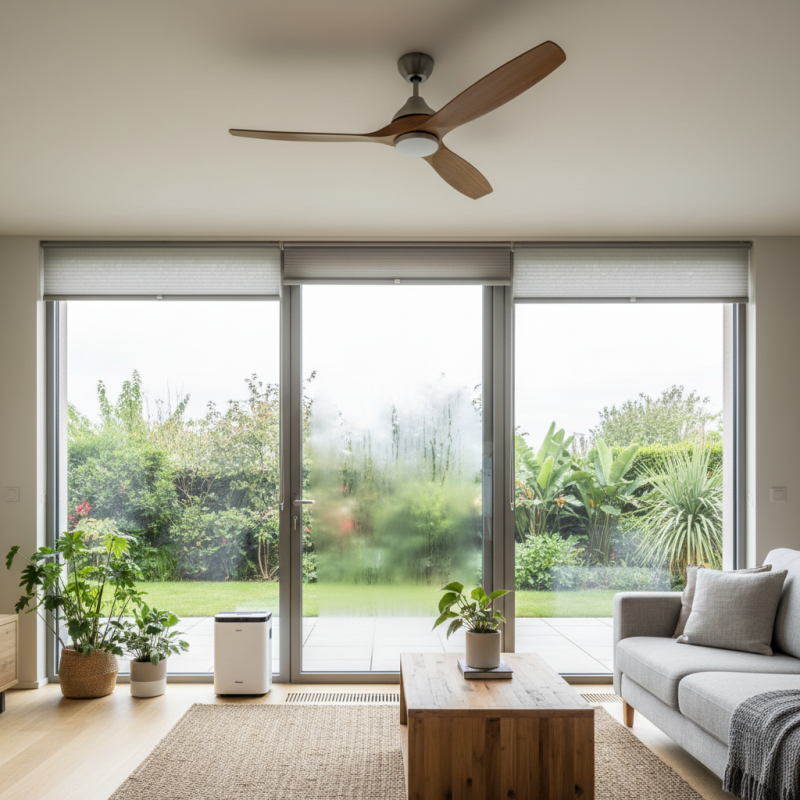
Condensation on glass patio doors is a common issue. Understanding its causes can help in prevention. Condensation occurs when warm, moist air meets a cooler surface. This temperature difference leads to water droplets forming on the glass. Studies show that about 80% of homes experience some level of condensation during colder months.
In 2021, the Building Research Establishment reported that 60% of homeowners notice condensation on windows, due to inadequate ventilation. Poor insulation can exacerbate this issue. When energy-efficient windows are not properly installed, heat escapes, creating a cold surface. This is especially problematic in areas with high humidity.
Moisture is another key factor. Cooking, showering, and even breathing release water vapor into the air. Homes without proper air circulation see this moisture accumulate. The American Society of Heating, Refrigerating and Air-Conditioning Engineers recommends maintaining indoor humidity levels between 30% and 50%. Keeping these levels in check can mitigate condensation issues on patio doors. Identifying these underlying problems is essential for effective prevention.
When choosing energy-efficient glass for patio doors in 2026, consider both insulation and climate impact. Double-glazed glass is a popular option. It traps air between two panes, reducing heat loss. Look for Low-E glass, which reflects heat back into your home, keeping it warm in winter and cool in summer. This glass can also minimize condensation, particularly in humid environments.
Another factor is the frame material. Aluminum frames conduct heat, while vinyl or wood options provide better insulation. Make sure the frames are certified for energy efficiency. Research local climates to select the best combination for your needs. Reflecting on your choices can lead to better long-term benefits.
Aesthetics matter too. Energy-efficient glass comes in various styles and finishes. High-quality glass enhances the look of your patio. However, it requires maintenance, which some homeowners overlook. Think about the balance between efficiency and appearance. Making informed choices about your patio doors can lead to comfort and savings in 2026.
When dealing with condensation on glass patio doors, proper insulation techniques are essential. Studies show that over 70% of indoor moisture results from poor insulation. Effective insulation creates a barrier against temperature fluctuations, keeping the interior warm and reducing condensation points.
One technique that professionals recommend is installing multi-pane glass. Multi-pane designs can significantly lower heat transfer, helping maintain a consistent temperature. Additionally, using insulated frames and sealing gaps with caulking can prevent cold air infiltration. A report by the Department of Energy indicates that homes with well-insulated doors can reduce energy costs by up to 30%.
Inadequate insulation can lead to mold growth, damaging both the doors and your health. Many homeowners overlook this risk. It’s vital to regularly inspect seals and thermal performance. Noticing moisture on the glass often signals deeper insulation issues. Addressing these concerns earlier can prevent costly repairs later. Implementing these strategies is not just about aesthetics; it’s about creating a healthier living environment.
Condensation on glass patio doors can be a frustrating issue, especially during humid seasons. A key strategy for prevention involves managing indoor humidity. According to the U.S. Department of Energy, maintaining indoor humidity levels between 30% and 50% can significantly reduce condensation. Utilizing dehumidifiers in strategic areas of your home can help achieve this balance. These devices draw excess moisture from the air, which can prevent moisture from settling on your patio doors.
Ventilation is equally important for controlling humidity levels. Improving air circulation in your home helps to dissipate moisture. Installing exhaust fans in kitchens and bathrooms greatly reduces humidity created by cooking and bathing. A report from the American Society of Heating, Refrigerating and Air-Conditioning Engineers emphasizes that proper ventilation enhances indoor air quality. This combination of dehumidification and thoughtful ventilation creates a more comfortable living environment.
**Tips:**
Place dehumidifiers near patio doors.
Regularly check humidity levels with a hygrometer.
Open windows when weather permits to improve airflow.
Homeowners often overlook the importance of adjusting their ventilation systems. Regular maintenance checks can expose inefficiencies. Investing time in these aspects can yield long-term benefits. The balance between humidity levels and ventilation is key to maintaining a clear view through your glass patio doors.
| Humidity Level (%) | Dehumidifier Type | Ventilation Method | Condensation Risk |
|---|---|---|---|
| 30 | Desiccant | Natural Ventilation | Low |
| 45 | Refrigerant | Mechanical Ventilation | Moderate |
| 60 | Mini Dehumidifier | Window Fans | High |
| 70 | Whole House | Open Windows | Very High |
Preventing condensation on glass patio doors requires regular maintenance and attention to detail. Start by checking the seals around the door edges. If you notice any gaps or wear, replace or repair them. Effective seals help keep humidity in check. Use weather stripping to minimize drafts that can contribute to condensation build-up.
Another crucial step is to regularly clean your doors. Dust and grime can trap moisture, encouraging condensation. A simple solution of vinegar and water can be effective. Wipe down the glass inside and out. Consider using a squeegee after cleaning. This practice can also help prevent streaks that make condensation more visible.
Humidity control plays a vital role as well. Utilize dehumidifiers in your home, especially during rainy months. Aim for an indoor humidity level below 50%. Ensure proper ventilation in areas like kitchens and bathrooms. Opening windows can help, but also make sure your patio doors can breathe. Awareness of these elements is key. Adjusting your approach can make a significant difference in combating condensation.
: Condensation happens when warm air meets a cooler surface, creating water droplets on the glass.
About 80% of homes experience condensation during colder months due to temperature changes.
Inadequate ventilation contributes to condensation. Proper air circulation helps maintain indoor humidity levels.
Poor insulation can lead to heat loss, creating colder surfaces that encourage condensation on glass doors.
Everyday activities like cooking, showering, and breathing add moisture, especially in poorly ventilated homes.
Installing multi-pane glass and ensuring proper sealing can lower heat transfer and reduce condensation.
Regularly checking seals and cleaning doors prevents moisture build-up and helps to manage humidity levels.
Keeping indoor humidity below 50% with dehumidifiers and proper ventilation can significantly reduce condensation.
Cleaning glass with a vinegar solution and using a squeegee can prevent streaks associated with condensation.
Inadequate insulation can lead to mold growth and damage doors, highlighting the need for preventive measures.
Condensation on glass patio doors can be a common issue, but understanding its causes and taking proactive steps can help mitigate this problem. To learn how to prevent condensation on glass patio doors, it's essential to consider energy-efficient glass options, which can significantly reduce thermal transfer and moisture accumulation. Implementing proper insulation techniques is also vital, as it minimizes cold air infiltration and warmth loss, creating a balanced indoor environment.
In addition to these measures, utilizing dehumidifiers and ensuring adequate ventilation are effective ways to control indoor humidity, thereby reducing the likelihood of condensation. Regular maintenance of the doors, such as sealing any gaps and cleaning the glass surfaces, can further prevent moisture build-up. By following these strategies, homeowners can effectively address and prevent condensation on their glass patio doors, enhancing both comfort and aesthetics in their living spaces.

Med Door