How to Prevent Condensation on Glass Patio Doors?

Time:2026-09-28 Author:Charlotte
0%

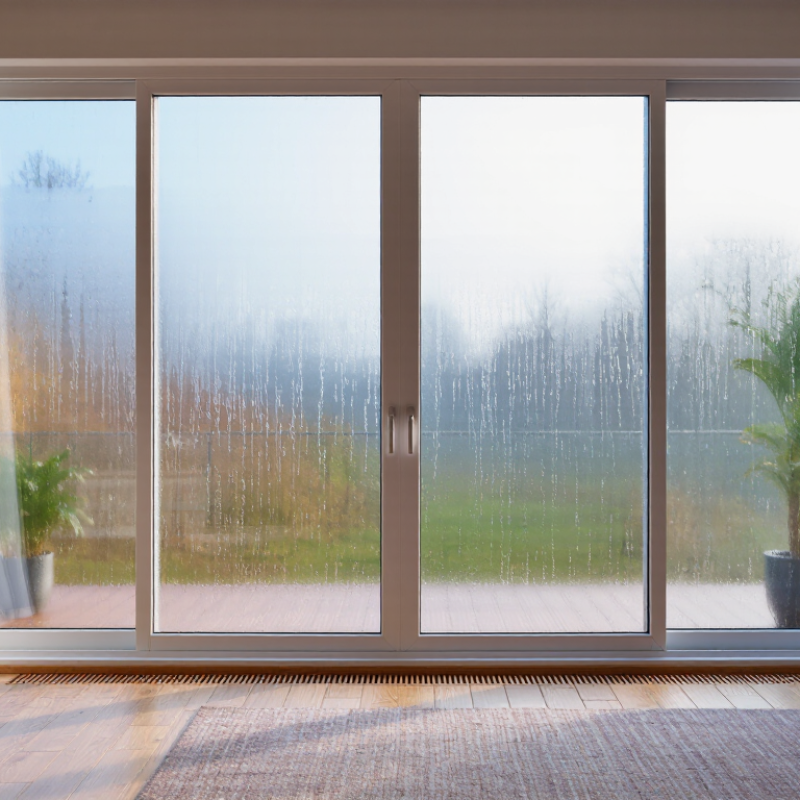
On a chilly morning, patio-door glass can turn cloudy while the room still feels comfortable. Tiny droplets gather along the lower edge, blur the garden view, and sometimes leave damp marks on the sill. This is usually a sign that humid indoor air is meeting cold glass—not proof that the door is defective. Knowing how to prevent condensation on glass patio doors starts with understanding that simple interaction.

Building-science expert Joseph Lstiburek’s guidance can be paraphrased this way: reduce indoor moisture and limit cold, stagnant surfaces. The practical details matter. Run the kitchen or bathroom exhaust fan during moisture-heavy activities, keep curtains slightly open, and maintain steady air circulation near the glass. A small hygrometer can reveal whether indoor humidity stays high, especially during winter. Wiping droplets helps protect the sill, but it does not solve the cause. That distinction is easy to miss.

This guide will explain how ventilation, indoor humidity, and door maintenance work together. It will also cover when condensation may point to a worn seal or another issue that needs closer inspection. If moisture appears between double-pane glass, surface ventilation will not clear it; the sealed unit may need professional assessment. Not every foggy morning signals a serious problem. Still, repeated pooling deserves attention. A few practical checks can help you choose the right fix without guessing—or replacing a door unnecessarily.
How to Prevent Condensation on Glass Patio Doors?

Identify Interior Condensation and Measure Room Humidity First

Interior condensation forms on the room-facing glass when its surface falls below the indoor air’s dew point. Check which side is wet: exterior moisture can occur under different weather conditions, while moisture between panes may indicate a failed insulated-glass seal. Not every foggy pane means the same problem.

Start with the room. Use a digital hygrometer away from the glass, direct sun, and heating vents. Record relative humidity in the morning and after showers or cooking, when moisture often rises. The U.S. Environmental Protection Agency’s A Brief Guide to Mold, Moisture and Your Home recommends keeping indoor humidity below 60%, ideally between 30% and 50%. The Centers for Disease Control and Prevention also advises keeping home humidity no higher than 50% to help limit mold. These are useful targets, not guarantees: cold glass can still collect moisture when room humidity is within range. A damp sill can mislead, too; it may reflect a brief humidity spike rather than a door defect. Compare readings over several days, and note when droplets appear. If the glass repeatedly gets wet despite moderate readings, check indoor air circulation and the door’s weather seals. Don’t assume the hygrometer tells the whole story.

Keep Indoor Relative Humidity Near the EPA’s 30–50% Range

Condensation often appears when warm, moist indoor air meets the colder glass of a patio door. Keeping relative humidity near the EPA’s recommended 30–50% range can reduce moisture in the air, though it cannot solve every cold-surface problem. A simple digital hygrometer in the living area can show whether humidity rises after showers, cooking, or drying laundry indoors. Check it morning and evening for several days; one reading can be misleading.

If readings stay above 50%, run bathroom and kitchen exhaust fans during use and briefly afterward. Vent clothes dryers outdoors, cover simmering pots, and avoid drying wet towels beside the glass. A dehumidifier may help in persistently damp rooms; clean and maintain it as directed. Small habits matter.

During cold snaps, even 40% humidity may leave droplets on poorly insulated glass or a chilly frame. Wipe water promptly with a dry cloth, then check for blocked drainage tracks or gaps that let cold air in. It is easy to blame the door alone; that is not always fair. If moisture returns while humidity stays in range, inspect the seals or arrange a qualified window assessment.

How to Prevent Condensation on Glass Patio Doors?

Keep indoor relative humidity near the EPA’s recommended 30–50% range.

Condensation can form when the glass surface is at or below the indoor-air dew point. At 20°C (68°F), keeping relative humidity within 30–50% corresponds to a dew point of about 1.9–9.3°C (35.4–48.7°F). Lower indoor humidity can reduce condensation risk when patio-door glass is cold.

At 70°F and 50% RH, Glass Near 50°F Reaches the Dew Point

At 70°F and 50% relative humidity, the dew point is about 50°F. That means indoor air can release moisture when it touches glass at roughly that temperature. Watch the lower corners of patio doors on cold mornings. Tiny beads there are a useful warning, not just a cleaning nuisance. The exact glass temperature varies with outdoor weather, door construction, and air movement.

A small digital hygrometer can show whether indoor humidity is climbing. Cooking, showers, and drying laundry indoors add moisture; use exhaust fans and vent them outdoors. If the room stays damp, a dehumidifier may help. Keep curtains slightly open and move furniture away from the door so warmer room air can reach the glass. Better airflow can make a difference. Wipe pooled water promptly, especially along the frame, where dampness can linger.

I would not assume every wet door has the same cause. Check humidity and the glass surface temperature before changing several things at once. Weatherstripping may reduce cold drafts, but it will not fix high indoor humidity by itself. If fog or droplets appear between sealed glass panes, surface wiping will not reach them; have the insulated unit assessed. Some condensation may still happen during sharp temperature drops. That part is easy to underestimate.

Vent Moisture Sources and Improve Airflow Around Patio Doors

How to Prevent Condensation on Glass Patio Doors?
Vent Moisture Sources and Improve Airflow Around Patio Doors

Condensation forms when warm, moist indoor air meets cold patio-door glass. It is easy to blame the glass, but indoor moisture and poor airflow often contribute. Use the kitchen extractor while cooking, and run the bathroom fan during showers. Keep both fans on briefly afterward; moisture lingers.

Check the room’s humidity with a simple hygrometer. If readings stay high, consider a dehumidifier, especially after drying laundry indoors. Move curtains and furniture a few inches from the door so air can circulate along the glass. A curtain pressed tightly against the frame can trap damp air. Small change, sometimes.

Wipe pooled water from the sill to protect nearby finishes, and look for recurring dampness at the frame edges. If condensation persists despite better ventilation, inspect for drafts or damaged seals; a qualified window professional can assess them. More airflow helps, but it will not solve every cause. Don’t assume.

Compare NFRC U-Factors When Choosing Better-Insulated Glazing

Condensation on a glass patio door forms when its interior surface drops below the room air’s dew point. Better-insulated glazing can keep that surface warmer, but indoor humidity, cold weather, and edge spacers still matter. The U.S. Department of Energy reports that windows account for about 25–30% of residential heating and cooling energy use (DOE, “Update or Replace Windows”). Performance affects comfort, too.

When comparing doors, check NFRC-certified whole-product U-factors, not center-of-glass values alone. U-factor measures heat flow; lower values mean less heat passes through the rated unit, including its frame and glazing. Compare products with similar sizes and operating styles. NFRC ratings use standardized procedures, supporting consistent comparisons—but a low U-factor does not guarantee a condensation-free door (NFRC, Certified Products Directory and rating guidance). It is easy to focus on the glass and overlook room moisture.

Tips: On frosty mornings, notice whether droplets collect at the glass center, edges, or frame. A hygrometer can help you track indoor humidity; use exhaust ventilation or a dehumidifier when needed. Keep curtains slightly open so warm air can reach the glass. Ask for the NFRC U-factor and, if available, condensation-resistance data. One limitation: no rating can account for every home’s humidity or installation gap.

FAQS

At 70°F and 50% humidity, when can patio-door glass collect condensation?

The dew point is about 50°F. Glass near that temperature may collect moisture. Tiny beads often show up in lower corners.

What indoor activities can increase condensation?

Cooking, showers, and indoor laundry add moisture. Use kitchen and bathroom exhaust fans, and keep them running briefly afterward. Moisture lingers.

How can I check whether indoor humidity is high?

Use a small digital hygrometer. Check its reading when droplets appear, rather than guessing from the glass alone.

What simple changes can improve airflow around a patio door?

Leave curtains slightly open and move furniture a few inches away. Warm room air needs space to reach the glass.

Should I wipe condensation from the door?

Yes. Wipe pooled water from the sill and frame edges, where dampness can linger. Small beads matter.

Will weatherstripping stop condensation?

It may reduce cold drafts, but it will not fix high indoor humidity by itself. I would check one cause at a time.

What if moisture appears between sealed glass panes?

Wiping the surface will not reach moisture between panes. Have the insulated glass unit assessed by a qualified window professional.

Can condensation still happen after improving ventilation?

Yes. Sharp temperature drops may still cool the glass below the dew point. Better airflow helps, but it may not solve everything.

Conclusion

To understand how to prevent condensation on glass patio doors, first check whether moisture is forming on the room-facing surface and measure indoor humidity with a hygrometer. Aim to keep relative humidity near 30–50%, adjusting for comfort and conditions. Condensation forms when warm, moist indoor air meets glass that is cold enough to reach its dew point. For example, at 70°F and 50% relative humidity, glass near 50°F can be cool enough for moisture to collect.

Reduce excess moisture by using kitchen and bathroom exhaust fans, venting clothes dryers outdoors, and addressing indoor sources of damp air. Keep air moving around the doors by opening curtains or blinds and avoiding furniture that blocks airflow. If condensation remains a frequent problem, compare the NFRC U-factors of replacement glazing options; a lower U-factor generally indicates better insulation and a warmer interior glass surface.

Charlotte

Charlotte

Charlotte is a seasoned marketing professional with a deep understanding of the company's portfolio and a passion for elevating its presence in the market. With a keen eye for detail and a commitment to excellence, she ensures that our professional blog is regularly updated with insightful articles......