Replacing worn-out weather stripping on entry doors can significantly improve your home’s energy efficiency. A well-fitted weather strip keeps drafts out and maintains a comfortable indoor climate. Knowing how to replace worn-out weather stripping on entry doors is essential for any homeowner.
When your entry door shows signs of wear, gaps may appear. These allow air to seep through, resulting in higher energy bills. While the task may seem daunting, it is straightforward with the right tools. You can do it yourself, saving time and money.
Understanding the materials is vital. Various types of weather stripping are available, from adhesive foam to rubber. Choosing the proper type is crucial for effectiveness. Pay attention to measurements and installation techniques to ensure a secure fit. Feel free to experiment; it may take a few tries to get it perfect. Mastering this skill will enhance your home's comfort for years to come.
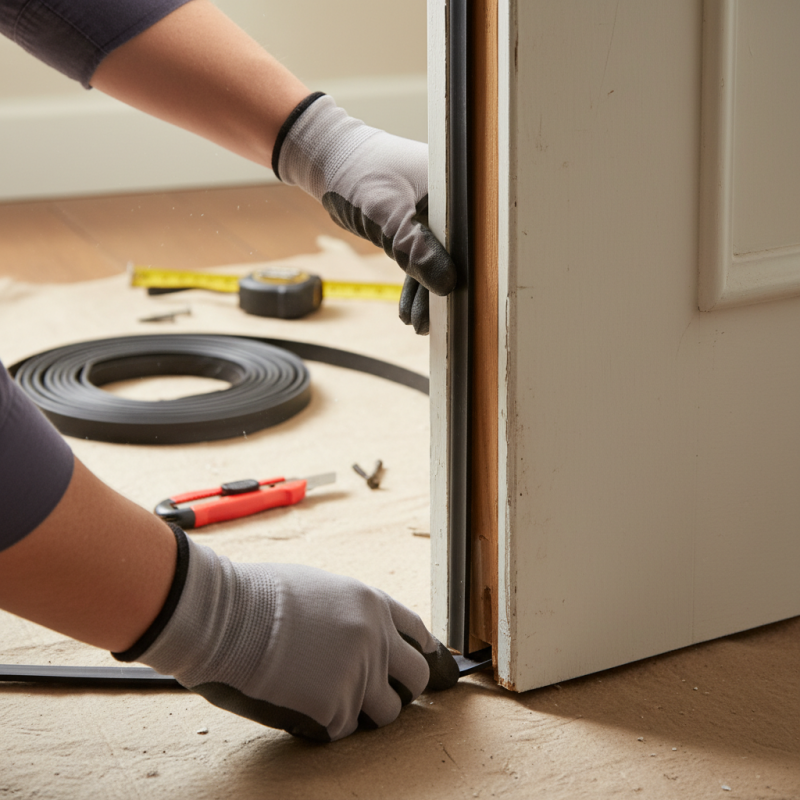
When replacing weather stripping on entry doors, choosing the right type is crucial. According to the U.S. Department of Energy, proper weather stripping can reduce energy costs by 10% to 20%. There are several types available, each with its benefits and drawbacks. For instance, adhesive-backed foam is easy to install and cost-effective. However, it may not last as long as other options.
Another option is felt weather stripping, which can be effective for irregular gaps. Yet, it's prone to wear over time, requiring regular replacement. Vinyl or silicone types are more durable, offering better resistance to extreme temperatures, but they may require a bit more effort to install. The key is to assess your door's specific needs. Consider factors like gap size, climate, and expected wear.
Many homeowners overlook the importance of proper installation. An ill-fitting strip can lead to drafts, negating any energy savings. Data reveals that 30% of homes experience significant air leaks, largely due to improper sealing. By carefully selecting and installing the right weather stripping, you can greatly improve the comfort and efficiency of your home.
| Tip Number | Type of Weather Stripping | Material | Durability | Cost | Installation Difficulty |
|---|---|---|---|---|---|
| 1 | Adhesive-Backed Foam | Foam | 1-2 years | Low | Easy |
| 2 | V Strip | Vinyl | 5-10 years | Medium | Moderate |
| 3 | Door Sweeps | Aluminum/Rubber | 5-10 years | Medium | Easy |
| 4 | Compression Weather Stripping | Rubber | 10-20 years | Medium-High | Moderate |
| 5 | Magnetic Weather Stripping | Magnet | 5-10 years | High | Difficult |
| 6 | Interlocking Weather Stripping | Aluminum | 15-25 years | High | Moderate |
| 7 | Replacement Door Gaskets | Vinyl | 3-7 years | Medium | Moderate |
| 8 | Sealing Strip | Weather-resistant rubber | 10 years | Medium | Easy |
| 9 | Cylindrical Weather Stripping | Rubber | 10-15 years | High | Difficult |
| 10 | Self-Adhesive Weather Stripping | Foam/Rubber | 5 years | Low | Easy |
Measuring your door correctly is essential for installing weather stripping. Accurate measurements ensure a snug fit, preventing drafts and improving energy efficiency. According to the U.S. Department of Energy, up to 30% of heating and cooling energy can escape through gaps in doors and windows. Using an incorrect size of stripping can compromise your home's efficiency.
To measure, start with the height. Use a tape measure from the top of the door frame to the floor. Record this number. Next, measure the width at the top, middle, and bottom of the door. This will identify any irregularities. Doors often warp over time. It’s crucial to check the thickness as well. Many entry doors vary between 1.75 to 2 inches. This detail is often overlooked but is key for a proper seal.
After measuring, consider the type of weather stripping. Foam tape, V-strip, or door sweeps are popular options. Each requires specific measurements to install effectively. However, even with the right measurements, installation can go awry. Gaps may still form if the weather stripping is not applied evenly. Take your time to position it accurately. It’s better to measure twice than to install once and have to redo it later.
When removing old weather stripping from your entry doors, safety is key. Begin by inspecting the existing stripping. Look for any signs of wear or damage. This will help you decide which tools you need. A utility knife can gently pry up old adhesives without damaging the doorframe. Always remember to wear gloves when handling sharp tools.
Once you’ve safely removed the old stripping, clean the surface thoroughly. Use a mixture of soap and water to scrub away dirt and residue. This ensures a firm bond for the new weather stripping. After cleaning, dry the area completely. A well-prepared surface greatly enhances the installation process.
When choosing new weather stripping, consider the material that suits your needs. Ensure it's durable and weather-resistant. Measure your door accurately before making any cuts. A snug fit is essential for effective insulation. Remember, taking your time during this process will result in better energy efficiency and overall comfort in your home.
Weather stripping is crucial for energy efficiency and comfort in your home. Start by measuring the door frame accurately. Make sure to clean the surface thoroughly to ensure good adhesion. Choose the right type of weather stripping based on your door’s material. Foam tape is effective for small gaps, while vinyl is better for larger spaces.
When installing, cut the weather stripping to the correct length. Apply it slowly, ensuring it adheres well without any bubbles. Press firmly along the entire length to secure it. It’s essential to check that the door closes properly afterward. Sometimes, the fit may not be perfect. You might need to adjust the weather stripping if there are still noticeable gaps or if the door sticks.
Take your time during installation. Rushing can lead to misaligned strips or inadequate sealing. Reflect on your technique as you work. Ask yourself if you could have done it differently. After installation, inspect your work closely. Look for any areas that may require additional attention. This careful approach can enhance your home's insulation significantly.
Weather stripping is essential for maintaining energy efficiency in entry doors. Regular testing is crucial for identifying wear and tear. According to the U.S. Department of Energy, air leaks can lead to a 30% increase in energy bills. This means deteriorating weather stripping can significantly impact your household budget.
To test the effectiveness of weather stripping, perform a simple candle test. Light a candle and move it around the edges of the door. Flickering indicates air leaks. You may find gaps that are not visible at first glance. It’s wise to inspect weather stripping at least twice a year to ensure longevity. Damage from moisture and UV exposure can reduce its lifespan.
Maintaining the door frame is equally important. Applying a bead of silicone around the frame can enhance the seal. Regularly cleaning the surface helps the weather stripping adhere better. Remember, neglecting maintenance might cost you more in the long run. Investing time in testing and upkeep can yield significant savings on energy costs.
: It can reduce energy costs by 10% to 20%.
Adhesive-backed foam is easy to install and affordable.
It wears out over time and needs regular replacement.
They are durable and resistant to extreme temperatures but harder to install.
Assess the gap size, climate, and expected wear on the strip.
It can lead to drafts, reducing energy savings.
Up to 30% of heating and cooling energy may be lost.
Measure door height, width, and thickness carefully.
It can compromise your home’s energy efficiency.
Gaps may still form if the stripping isn’t applied evenly.
Replacing worn-out weather stripping on entry doors is essential for maintaining energy efficiency and comfort in your home. Start by choosing the right type of weather stripping material that suits your door's needs. Accurate measurement of your door ensures a perfect fit for the new weather stripping. Safely remove the old weather stripping to prepare for installation, following a step-by-step guide for placing the new strips accurately. Finally, testing the effectiveness of the installation and maintaining it over time will help prolong its life and continue improving your home’s insulation.

Med Door