When considering interior partitions, one crucial question arises: what is the best glass thickness for interior partitions? Industry expert Dr. Emily Stokes, an architect with over 15 years of experience, states, “The right glass thickness not only enhances aesthetics but also impacts safety and sound insulation.”
Choosing the correct glass thickness can significantly affect a space's functionality and ambiance. Thinner glass may provide a lightweight option, suitable for casual areas. However, thicker glass often ensures better durability and soundproofing, making it ideal for more private environments.
While there are general recommendations, varied projects may require different approaches. For instance, a bustling office may benefit from 10mm glass for sound reduction, while a boutique might leverage 6mm for its modern appeal. Understanding these nuances is essential for designers aiming to balance style and practicality in their interiors.
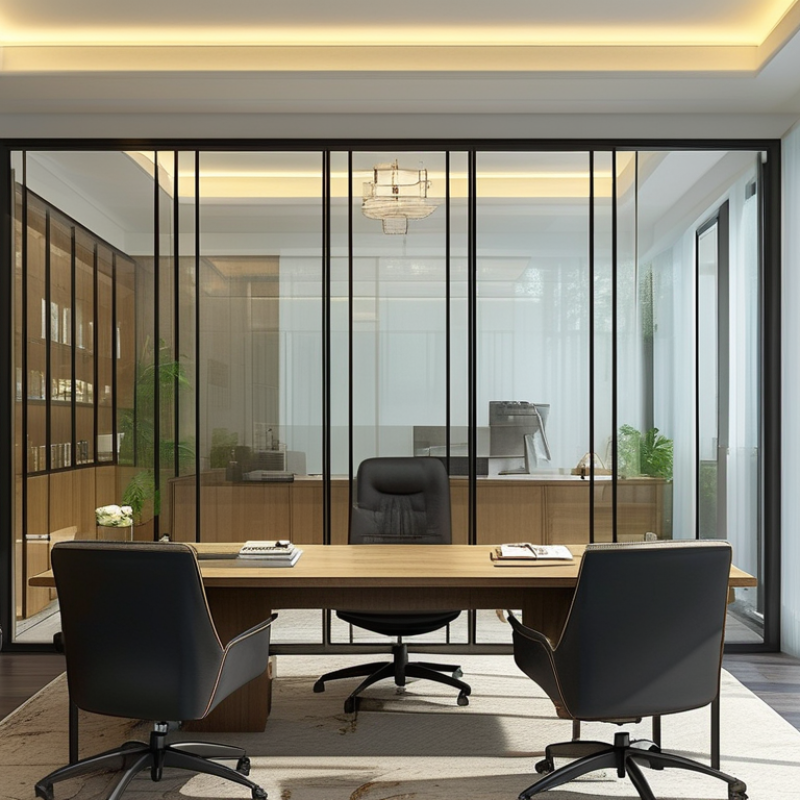
Understanding Glass Thickness Choices for Interior Partitions in China
When considering glass thickness for interior partitions in China, several factors come into play. The choice primarily depends on safety, sound insulation, and aesthetic appeal. Typical thicknesses range from 6mm to 12mm, with 10mm being a popular choice. According to industry reports, a minimum of 8mm is often recommended for standard applications to ensure durability and safety.
Sound insulation is another crucial consideration. Thicker glass, such as 12mm or more, provides better acoustic performance. The National Glass Association states that glass thickness can influence the sound transmission class (STC) rating. For example, increasing from 10mm to 12mm can offer a significant improvement in sound dampening, which is essential in urban environments where noise pollution is a concern.
Evaluating the aesthetic aspect is vital as well. Clear and frosted options can enhance visibility and design appeal. However, thicker glass can bring challenges, such as increased weight, which may require stronger supporting structures. Additionally, the cost of thicker glass is higher, demanding careful budget considerations. Balancing these factors is essential when deciding on the ideal glass thickness for interior partitions.
Importance of Glass Thickness in Interior Design and Acoustics
Glass thickness plays a crucial role in interior design and acoustics. Research indicates that thicker glass not only provides enhanced durability but also significantly improves sound insulation. According to industry reports, single-pane glass of 6 mm thickness has a sound transmission class (STC) rating of around 27. In contrast, 12 mm thick glass can reach an STC rating of around 39, effectively reducing noise pollution in open spaces.
Acoustics greatly influence the comfort of an environment. For example, offices or conference rooms benefit from thicker glass partitions, which help minimize distractions. Yet, many designers often overlook the importance of glass thickness. A common misconception is that all glass serves the same purpose, while differing thicknesses can dramatically affect both aesthetics and functionality.
Costs can also be a concern. Thicker glass, while more expensive, provides long-term savings on acoustics and maintenance. However, the choice should align with the specific needs of the space. Reflecting on the balance between cost and utility is essential for effective design decisions. Each project demands careful consideration of glass specification, ensuring that the final choice enhances both style and sound quality.
Comparative Analysis of Common Glass Thickness Options in the Market
When selecting glass thickness for interior partitions, various options exist in the market. Typically, the most common sizes range from 6mm to 12mm. Each thickness has its unique benefits and drawbacks. Thinner glass, like 6mm, is lightweight and cost-effective. However, it may lack durability in high-traffic areas. 8mm thickness offers a good balance between weight and robustness. It can withstand moderate impact while still being affordable.
On the other hand, 10mm and 12mm glass are more robust. They provide better insulation and soundproofing. But they are heavier and often require more substantial framing. This can increase installation costs and complexity. Finding the right thickness involves considering space usage, appearance, and budget. For those desiring a contemporary aesthetic, thicker glass may seem appealing. Yet, the added weight introduces challenges.
The choice also reflects personal preferences. Some may prioritize aesthetics over practicality. Others might focus on safety and durability. This complexity offers a chance for reflection on what truly matters in design. Balancing style with functionality can lead to a more satisfying outcome in interior spaces.
Factors Influencing the Selection of Glass Thickness for Partitions
When selecting glass thickness for interior partitions, several factors come into play. Safety is paramount. Thicker glass generally offers more strength, which is essential in high-traffic areas. A 10 mm thickness can withstand significant impacts, while 6 mm might be sufficient for lighter use. This choice often reflects the balance between aesthetics and functionality.
Sound insulation is another critical consideration. Thicker glass can reduce noise better than its thinner counterparts. For example, a 12 mm glass panel can dramatically minimize sound transmission between rooms compared to an 8 mm panel. However, the cost may rise as thickness increases. Thus, budget constraints can complicate the decision-making process.
Moreover, the visual appeal of the glass can influence thickness choices too. Thinner panels can create an airy feel but may require additional support. Many designers struggle with this trade-off. The illusion of space is important, but compromising on safety can lead to regrets. Ultimately, understanding the specific needs of a space is crucial for finding the right glass thickness for partitions.
Safety Standards and Regulations Pertaining to Glass Thickness in Interiors
When selecting glass for interior partitions, safety standards play a crucial role. Different regions have various regulations concerning glass thickness. It’s important to understand these rules to ensure compliance and safety. Thicker glass options often create a sturdier and safer environment. However, selecting the right thickness requires careful consideration.
In China, the common thickness options range from 8mm to 12mm for safety glass. Each option has its own benefits and drawbacks. Thinner glass may be more aesthetically pleasing but could pose safety risks. Thicker glass provides better durability and sound insulation. However, it can be heavier and more challenging to install. Balancing these factors is essential for creating a functional space.
Safety standards necessitate that glass partitions meet impact resistance criteria. This ensures they can withstand potential hazards. Furthermore, rigorous testing is required to determine how glass fractures upon impact. Designers must keep these standards in mind during the selection process. Ignoring them can lead to safety breaches and structural problems. Choosing the right thickness isn't just about aesthetics; it’s a matter of safety and compliance.
Conclusion
When considering interior partitions in China, understanding the right glass thickness is crucial. The article explores various thickness options available in the market and emphasizes the importance of glass thickness for both aesthetic and acoustic purposes. A comparative analysis identifies the advantages and disadvantages of common glass thickness choices, guiding designers and architects in making informed decisions. Key factors influencing the selection include design preferences, functionality, and safety standards that must be adhered to.
Ultimately, the question arises: what is the best glass thickness for interior partitions? This depends on the specific requirements of the space, including privacy needs, sound insulation, and regulatory compliance. By considering these elements, one can ensure the chosen glass thickness enhances both the visual appeal and performance of the interior environment.

 Med Door