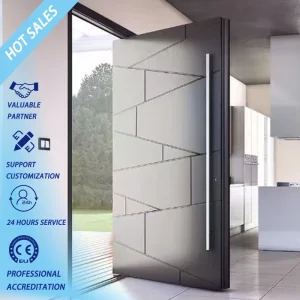
Explore our flagship product range engineered to withstand heavy atmospheric conditions, high windload, and structural thermal stress.

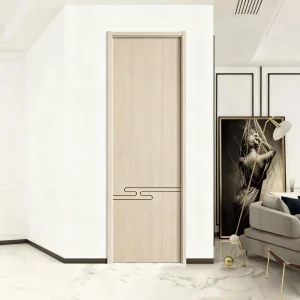
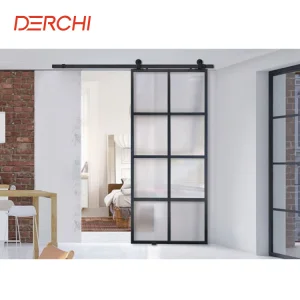
In modern fenestration design, weather-resistant entrance doors are no longer evaluated merely on static visual appeal. With shifting global climates, escalating hurricane severity, and stringent carbon-neutral directives, entrance systems serve as critical structural barriers. They must defend building envelopes against intense pressure loads, heavy rainwater penetration, extreme thermal cycling, and continuous acoustic disturbances.
This industry document serves as a comprehensive purchasing whitepaper. It covers physical design requirements (such as U-value optimization and structural deflection resistance) and profiles the top global manufacturers. We detail key production factors that define high-performance, weather-tight entrance doors, with a focus on advanced Chinese manufacturing centers like Suzhou Med Door Technology Co., Ltd.
"The structural integrity of an entrance system is defined by its weakest link—whether that is a degradation-prone EPDM gasket, an unmitigated thermal bridge, or structural hardware deflection under wind loads."
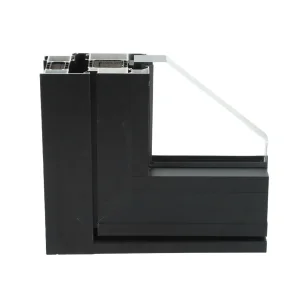
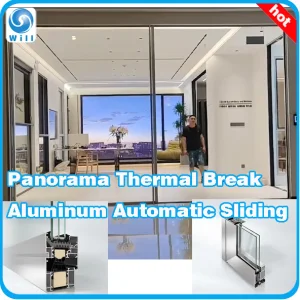
Utilizing high-performance Polyamide (PA66 GF25) thermal insulation bars to isolate interior and exterior profiles, reducing thermal bridging and achieving excellent U-values (under 1.2 W/m²K) in extreme climates.
Reinforcing frame profiles to handle massive wind pressures (DP 50+ rating) and resisting severe flying debris impacts, particularly in coastal hurricane-prone areas.
Integrating multi-layer acoustic PVB laminated glass and compound sound-reducing cores to reduce urban and traffic noise by up to 45dB STC rating.
A look at the advanced supply chain, material science, and manufacturing infrastructure that make China the top supplier of high-performance doors.
Chinese door factories utilize high-tonnage automated aluminum extrusion presses (ranging from 2,500 to 10,000 metric tons) to produce thick-walled structural profiles. These profiles are treated with architectural-grade finishes like PVDF coatings, fluorocarbon paint, and wood-grain thermal transfer prints. This treatment ensures they resist UV degradation, saline air, and surface abrasion in coastal zones.
Factories in manufacturing hubs like Suzhou and Guangdong are supported by complete localized supply chains. Glass processing, high-tensile hardware manufacturing, thermal break extrusion, and rubber seal vulcanization occur nearby. This geographic proximity reduces lead times and lowers shipping costs, making customized door production highly competitive.
Leading Chinese exporters align their quality controls with international performance metrics. Med Door systems are manufactured to comply with CE (Europe), CCC (China), ISO9001 (Quality Management), and ISO14000 (Environmental Management) standards. This alignment ensures compliance with local building codes across various import regions.
By blending robotics, automated CNC machining centers, and skilled craft production, Chinese factories offer custom entry systems at a lower cost than European or North American fabricators. This efficiency makes them a preferred choice for large-scale commercial developments, hotels, and luxury residential projects.
Modern entrance systems are shifting from passive physical barriers to active, smart components. High-end weather-resistant doors now integrate biometric facial recognition, remote IoT locking mechanisms, and hidden sensors. These smart features must operate reliably without compromising the door's airtightness, water tightness, or insulation performance.
With global green building regulations like Germany’s Passivhaus standard gaining traction, entrance doors must meet low thermal transmittance limits. Leading factories are achieving this by introducing aerogel insulation cores, multiple chambers with polyamide thermal breaks, and triple or quadruple low-E glazing systems filled with argon gas.
Environmental declarations are increasingly required for international projects. Leading manufacturers use recycled architectural aluminum alloys and eco-friendly wood-plastic composites (WPC) to minimize embodied carbon. This sustainable approach is backed by ISO 14001 environmental management certifications.
A trusted provider of innovative, high-quality building materials, offering comprehensive solutions from design and manufacturing to installation.
For the past 15 years, Suzhou Med Door Technology Co., Ltd. has been at the forefront of the building materials industry, bringing innovative, high-quality solutions to meet the evolving needs of customers. Our company has developed a reputation for excellence through the dedication of our skilled technical team and on-site installation professionals. We focus on providing comprehensive, scientific, and effective solutions throughout every phase of the project—from initial conception and design to production, construction, and installation.
Quality has always been the cornerstone of our success. Med Door Factory has integrated cutting-edge mechanical equipment, leveraging robust technical capabilities and precision manufacturing processes. This commitment to excellence has earned us the trust and respect of our clients, leading to us being affectionately known as "Aluminum Art and Home" in the industry.
As a result of our commitment to quality, Med Door has been recognized with numerous accolades, including the prestigious titles of "Exemplary Organization of Quality Management" and "Top Ten Famous Enterprises in the Industry." These honors highlight our continual effort to maintain high standards and industry leadership. Looking ahead, Med Door remains committed to innovation and growth, adhering to stringent international standards, including ISO9001, ISO14000, CCC, and CE certification systems.

High-performance entrance doors tailored to meet specific regional environmental conditions and design requirements.
Exposed to saline air, high humidity, and occasional hurricanes. These environments require structural aluminum doors with fluorocarbon (PVDF) coatings, marine-grade stainless steel hardware, and windload ratings capable of withstanding severe storms.
Subject to sub-zero temperatures and high winds. These zones require heavy-duty thermal break entrance systems with triple-glazed insulated units and multi-point perimeter compression gaskets to prevent heat loss and ice build-up.
Located in high-density areas with significant noise and traffic pollution. These projects require entrance doors with high Acoustic Transmission Class (STC) ratings, utilizing specialized acoustic cores and drop-seal thresholds to maintain quiet interior spaces.
For international buyers, specifiers, and developers, procuring entrance systems involves several key considerations. Our factory-direct service model at Suzhou Med Door Technology Co., Ltd. addresses these procurement requirements through a structured process:
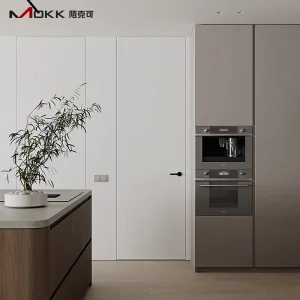
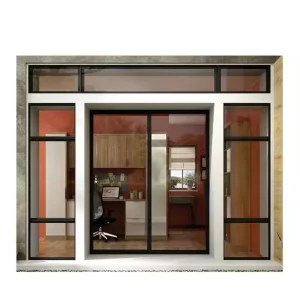
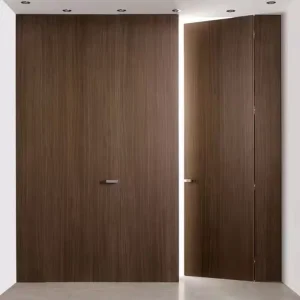
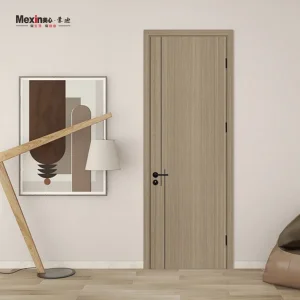
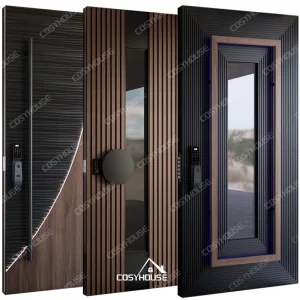
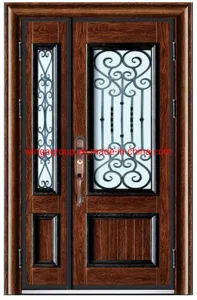
Discover our range of specialty door systems, from hidden frame interior doors to fire-resistant and heavy-duty pivot entrances.
Answers to common structural, thermal, and regulatory questions regarding weather-resistant entrance doors.
 Med Door